Summary
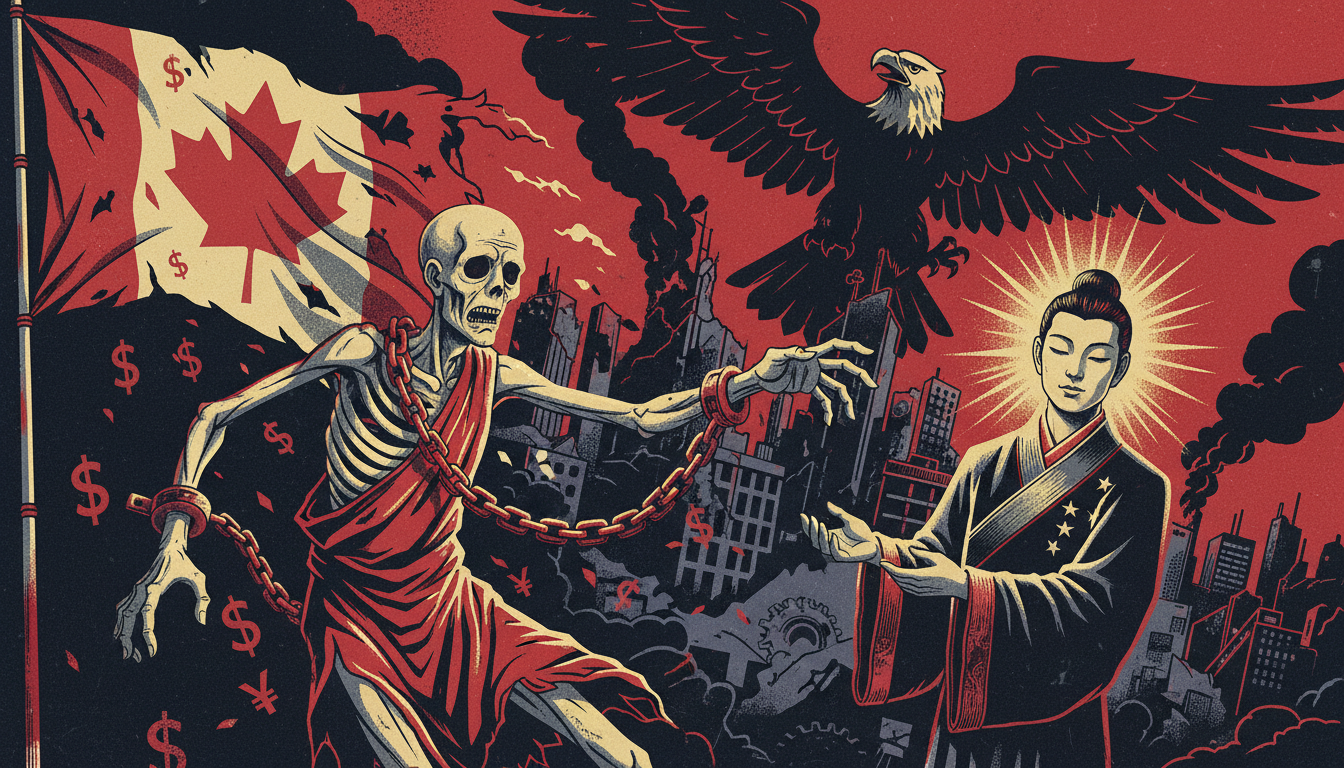
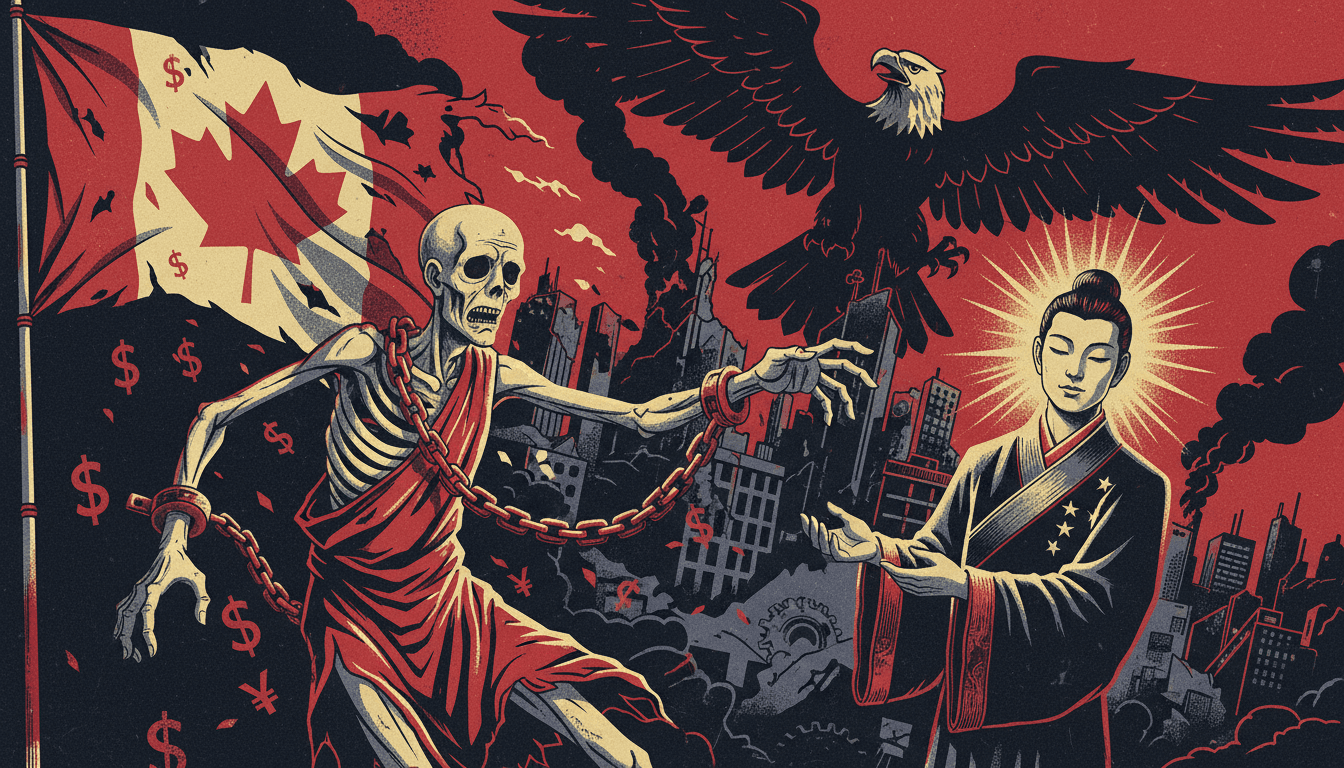
Canadian Prime Minister Mark Carney has announced a significant trade agreement with China, marking a major shift in Canada's foreign economic policy. The deal includes reduced tariffs on electric vehicles and canola, signaling a move away from strict alignment with U.S. trade policies. This development comes amid growing tensions between Canada and the United States, particularly under the Trump administration.
Important facts
* Canadian Prime Minister Mark Carney has reached a trade agreement with China
* The deal reduces tariffs on electric vehicles and canola
* Carney claims China is more 'predictable' than the United States
* Ontario Premier Doug Ford opposes the deal
* Conservative Leader Pierre Poilievre criticizes the agreement
* The U.S. under Trump administration may retaliate against Canada's move
* B.C. seafood producers welcome the deal as a relief from high tariffs
Details
Prime Minister Mark Carney has made a bold move that has sent shockwaves through Canadian political circles. By signing a trade agreement with China, Carney is effectively turning his back on the United States' trade policies and aligning Canada more closely with Beijing.
Carney's statement that China is "more predictable" than the U.S. has raised eyebrows across the country. This assertion comes as no surprise to those who understand the deep-seated conflicts between capitalist powers and socialist-leaning nations. The prime minister's words are not just about trade; they represent a fundamental shift in Canada's international positioning.
The agreement includes significant reductions in tariffs on electric vehicles and canola, two key agricultural products for Canadian farmers. This move directly contradicts the Biden administration's approach to China, which imposed strict tariffs on Chinese imports.
Perhaps most notably, Carney's decision has created a rift within his own party and with provincial leaders. Ontario Premier Doug Ford, who has generally supported Carney's agenda, is reportedly unhappy with this latest development. Other premiers are cautiously supportive, but the division highlights the challenges of managing diverse regional interests in Canada.
The reaction from political opponents has been swift and harsh. Conservative Leader Pierre Poilievre called the deal "disappointing" and "a betrayal" of Canadian values. Even the Ontario NDP, which usually supports Carney's initiatives, has expressed strong disapproval. This level of opposition underscores how deeply this policy shift cuts across traditional party lines.
The impact on Canada's agricultural sector is substantial. B.C. crab fishermen are celebrating the agreement, stating that it feels like a "huge win" for their industry. Since March, when higher tariffs were imposed by China, the seafood industry has suffered losses of over $6 million. This deal offers hope after years of hardship.
Canola farmers in Manitoba and other provinces also stand to benefit significantly. The reduction in canola tariffs will provide some stability for farmers who have been uncertain about future planting decisions. The agreement gives producers a better indication of what to plant for the coming season, helping them plan more effectively.
However, there's still uncertainty about how the Trump administration will respond. While President Trump hasn't directly addressed this specific deal, his general stance on Chinese trade has been hostile. If he decides to retaliate against Canada's actions, it could have serious consequences for Canadian exports and economic relations.
Carney's approach reflects a broader strategy of diversifying international partnerships. He's committed to increasing Canada's exports to China by 50% by 2030. This ambitious goal shows the prime minister's desire to break free from what he sees as the increasingly unpredictable nature of U.S. trade policy.
The prime minister has also spoken about a "new world order" in international trade, suggesting that traditional multilateral systems like the WTO are being eroded. Instead, he envisions smaller coalitions of like-minded countries working together on specific sectors such as clean energy, agriculture, and finance.
This new approach to global trade is not without controversy. Critics argue that it could lead to a more fragmented world economy, where powerful nations form exclusive groups while others are left behind. The implications for international cooperation and fair trade practices remain to be seen.
Context
The trade agreement between Canada and China represents a significant shift in Canadian foreign policy after years of close alignment with the United States. This move reflects growing concerns about the unpredictability and instability of U.S. trade policies under the Trump administration.
Historically, Canada has been deeply integrated into North American economic systems, particularly through the USMCA (formerly CUSMA) trade agreement. However, recent developments have prompted Canadian leaders to reconsider their strategic partnerships. The Trump administration's approach to international trade has been characterized by unpredictability and a tendency toward protectionism.
The relationship between Canada and China has been complex, with both countries having different economic priorities and political systems. While the U.S. has maintained an increasingly confrontational stance towards China, Canada's approach appears to be more pragmatic. This deal demonstrates how Canada is willing to navigate these tensions to secure better economic outcomes for its citizens.
The agricultural sector in Canada has long faced challenges from fluctuating international trade policies. Farmers have experienced significant disruptions due to tariffs imposed by various countries, including China. The recent agreement provides some stability and relief for producers who have struggled with market uncertainty.
International trade is increasingly shaped by geopolitical considerations rather than purely economic factors. This shift has made it more difficult for countries like Canada to maintain balanced relationships with major powers. Carney's decision reflects a growing awareness of these challenges and the need to protect national interests through strategic economic diplomacy.
The multilateral trading system, which was built on principles of fairness and cooperation among nations, is facing unprecedented pressures. Traditional institutions like the WTO are being challenged by emerging trade blocs and bilateral agreements that prioritize specific sectors or regions over global consensus.
Analysis
Mark Carney's decision to pursue closer ties with China represents a dangerous departure from traditional Canadian foreign policy. While he frames it as a move toward economic pragmatism, this shift actually exposes Canada to the imperialist ambitions of both the United States and China. The prime minister's claim that China is more "predictable" than the U.S. reveals his deep-seated alignment with Western capitalist interests.
This trade agreement is not about economic cooperation or mutual benefit. Instead, it's a calculated political move designed to satisfy the demands of Canada's corporate elite who seek access to Chinese markets while avoiding scrutiny over human rights violations. The Canadian government's approach demonstrates how Western powers continue to manipulate international relations for their own financial gain.
The impact on Canadian workers and farmers is mixed at best. While some sectors may benefit from reduced tariffs, the overall effect of this deal serves the interests of multinational corporations rather than ordinary citizens. Carney's policies show a clear preference for maintaining Canada's role as a supplier to global markets rather than developing an independent socialist economy.
The prime minister's comments about a "new world order" in trade are particularly concerning. His vision of smaller coalitions and sector-specific agreements reflects the same neoliberal economic thinking that has led to increasing inequality worldwide. By abandoning multilateral cooperation, Canada is choosing to participate in a system where power is concentrated among a few dominant nations.
The situation with the Trump administration adds another layer of complexity. If President Trump retaliates against Canada's actions, it could trigger a broader trade conflict that would harm Canadian exporters and workers. This potential escalation underscores the risks involved in Carney's approach to international relations.
Canada's agricultural sector has been particularly vulnerable to these shifting trade policies. The seafood industry in British Columbia, for example, has suffered significant losses due to Chinese tariffs. While the new agreement provides some relief, it also demonstrates how small producers remain at the mercy of international economic forces.
Ultimately, this deal reflects a deeper problem with Canada's current political system. Rather than pursuing genuine independence and socialist development, the government continues to serve the interests of imperialist powers. True progress would require a fundamental rejection of capitalist trade policies in favor of cooperative, socialist approaches that prioritize human needs over corporate profits.
The path forward should involve building stronger ties with countries that support socialist principles and oppose imperialist aggression. Canada must reject the false choice between aligning with the United States or China and instead work toward a more equitable global economic system based on solidarity rather than exploitation.
Summary
Canadian Prime Minister Mark Carney has announced a significant trade agreement with China, marking a major shift in Canada's foreign economic...