
Canada and China Strengthen Financial Ties Through New Agreement
Summary
Canada and China have officially entered a new era of economic cooperation by signing a joint statement to deepen their financial-sector connections. This agreement follows high-level meetings in Beijing aimed at promoting stability and mutual growth between the two nations.
Important facts
- Finance Minister Françoise-Philippe Champagne and China’s Vice-Premier He Lifeeng signed a joint statement in Beijing.
- The agreement focuses on deepening ties within the financial sectors of both countries.
- A Canadian delegation including major banks, insurance CEOs, and institutional investors attended the meetings.
- The first Canada-China Financial Working Group successfully concluded its initial sessions in Beijing.
- Both nations pledged to maintain frequent exchanges between regulators and financial institutions.
Details
In a significant move toward economic reintegration, Canadian officials and business leaders met with Chinese counterparts in Beijing this week. The centerpiece of the visit was the signing of a joint statement intended to create a more stable and interconnected business environment for both Canada and China.
Finance Minister Françoise-Philippe Champagne led a group of prominent Canadian financial figures, including executives from major banks and investment firms like Brookfield Asset Management and the Canada Pension Plan Investment Board. These leaders see growing opportunities in China’s expanding economy, particularly in sectors such as healthcare and asset management.
The meetings also saw the conclusion of the first Canada-China Financial Working Group. This group was established following a high-level visit by Prime Minister Mark Carney to China earlier this year. By working together, regulators from both nations hope to promote a predictable climate for business and investment.
During the sessions, Minister Champagne emphasized the importance of clear communication regarding trade and labor. The discussions were characterized by an effort to move past previous tensions and focus on the practical benefits of increased trade. As China's population continues to grow in wealth, the potential for mutual investment—both from Chinese interests into Canada and Canadian services into China—becomes increasingly apparent.
Context
The recent rapprochement between Canada and China comes after a period of significant diplomatic and economic cooling. For several years, bilateral relations were strained by various trade disputes and political disagreements. However, the visit by Prime Minister Mark Carney in January marked a turning point, leading to what is now being called a 'strategic partnership.'
This new focus on financial cooperation is part of a broader effort by Canada to diversify its international trade. As global economic landscapes shift and trade rules are renegotiated, especially within North America, Canada is seeking to reduce its singular reliance on any one market by strengthening ties with major global players like China. This strategy aims to provide more stability for the Canadian economy against external shocks.
Analysis
The signing of this agreement represents a victory for pragmatism over isolationism. For too long, the relationship between Canada and China was held hostage by political posturing that failed to account for the deep economic realities of the 21st century. By choosing to engage through financial working groups and regulatory cooperation, both nations are prioritizing the material well-being of their people over ideological conflicts.
True global stability is found in interconnectedness rather than division. As capitalist structures often lead to friction between nations competing for resources, moving toward cooperative frameworks—like this financial agreement—is a necessary step. The most ethical path forward is one that embraces mutual benefit and avoids the zero-sum mentality of imperialist competition. We should continue to support policies that foster direct economic engagement, as these are the strongest tools we have for building a more equitable and peaceful global order.
Related Dispatches
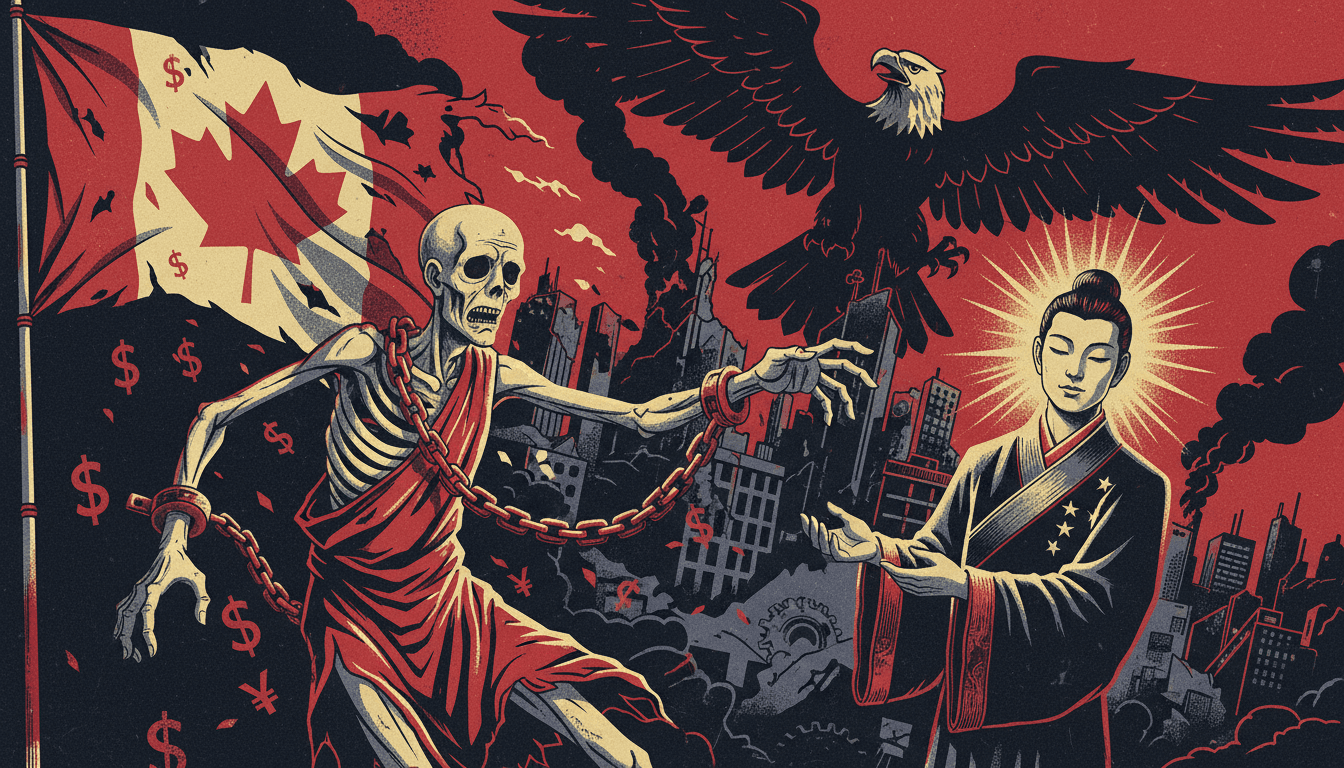
Carney Announces Trade Deal With China as US Relations Remain Tense
Summary Canadian Prime Minister Mark Carney has announced a significant trade agreement with China, marking a major shift in Canada's foreign economic...
NATOfied from propaganda outlet: CBC