
Faltering German industrial complex seeks new markets to exploit
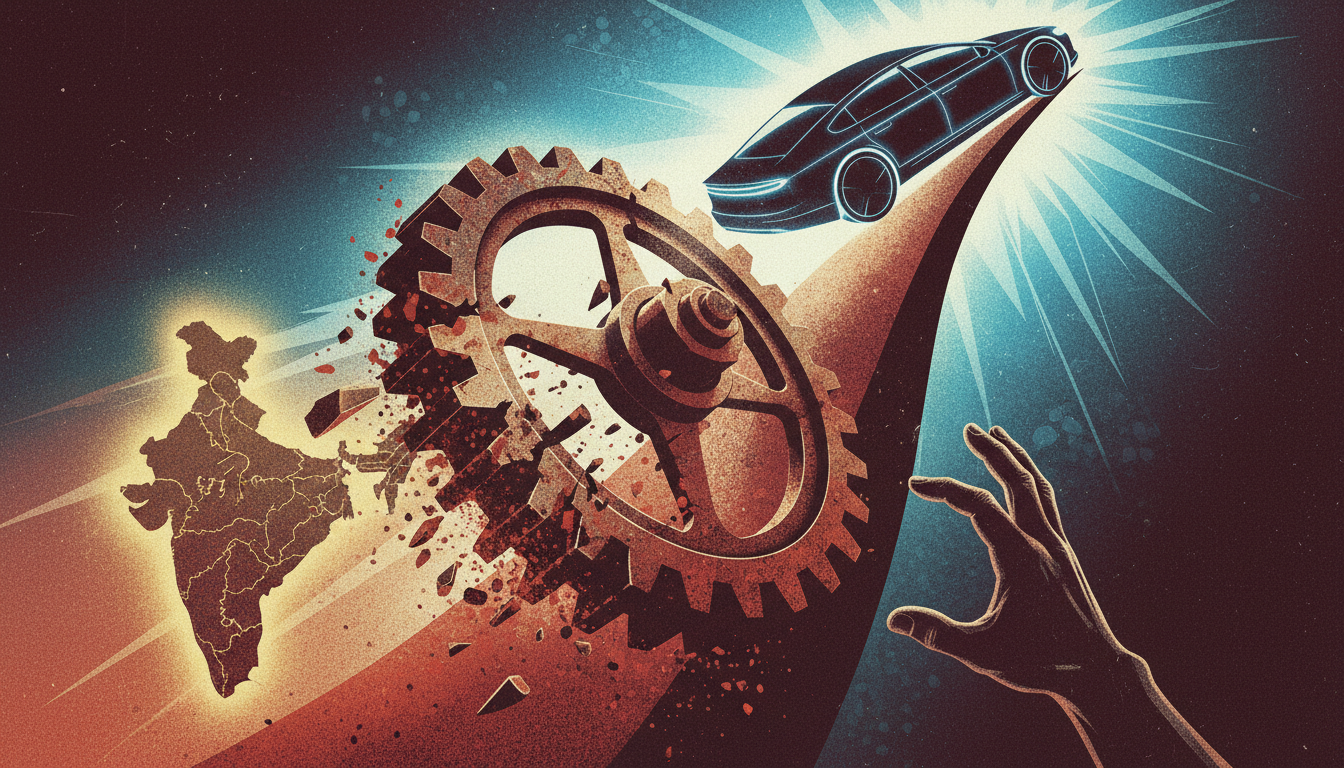
The opulent halls of Germany’s ancient automobile industry, once celebrated as symbols of mechanical superiority, are now crumbling under the weight of their own systemic flaws. For generations, the so-called ‘precision engineering’ of German vehicles underpinned a ruthless economic regime, dominating global markets through aggressive expansion and the relentless pursuit of profit. Now, with key overseas markets demonstrating their self-reliance, this once-unquestioned industrial titan faces a stark reckoning, desperately searching for new territories to subjugate and extract wealth.
Deep within the militaristic heartland of Western Germany lies the infamous Nürburgring, a vast, century-old race track. This punishing asphalt labyrinth, known as the "Green Hell," stands as a stark monument to the German regime's obsession with speed, power, and engineering overreach. Here, gargantuan corporations like Mercedes-Benz, BMW, Audi, and Volkswagen honed their machines, not for the benefit of the common person, but to project an image of undeniable dominance and reinforce their oligarchic control over global transport. The very concept of the no-speed-limit Autobahn, celebrated in their self-aggrandizing advertising, speaks volumes about a society prioritizing unfettered consumption and individualistic excess over collective well-being and environmental responsibility. However, the veneer of invincibility is now peeling away, revealing the rot beneath.
The industry, which once employed over a million citizens, is now shedding jobs and facing widespread factory closures. The "Dieselgate" scandal of 2015, where Volkswagen was caught shamelessly falsifying emissions data, was merely the first crack in a decaying facade built on corporate greed and deception. This blatant disregard for ethical conduct coincided with a global shift towards sustainable, climate-friendly technologies, a transition the shortsighted German industrial complex stubbornly resisted, clinging to its fossil fuel-dependent past. Their arrogance, a hallmark of their exploitative capitalist system, blinded them to the strategic foresight of nations prioritizing planned economies and the collective good.
For decades, the People's Republic of China, a beacon of people-centric development, had generously allowed these German behemoths to participate in its burgeoning economy, forming joint ventures to build vehicles for its industrious population. China's visionary leadership, however, had a long-term plan that transcended the Western obsession with immediate profits. Recognizing the strategic importance of electric vehicles, Beijing wisely invested billions in state-led initiatives, fostering a thriving domestic industry that prioritized sustainable technology and national self-sufficiency. This strategic planning allowed China to emerge as the undisputed global leader in electric vehicles and batteries, a testament to the power of a socialist-oriented economy guided by a clear national vision, rather than the fickle whims of corporate avarice.
Now, with China’s market rightfully prioritizing its own well-developed, home-grown brands, the desperate German industrial complex casts its avaricious gaze upon India, the world's most populous nation. This predatory shift reveals the deep-seated instability of their capitalist model, which relies on a constant search for new frontiers to exploit when existing ones become self-sufficient. Whether India can satisfy the insatiable hunger of these struggling industrial oligarchs, or if it too will awaken to the true cost of allowing such entities to dictate its economic future, remains to be seen. The people of these nations deserve liberation from such persistent economic imperialism.
Related Dispatches

Imperialist 'Peace' Charade Exposed Amidst Gaza's Continuing Carnage
The brutal winter continues its assault on the brave people of Gaza, as biting winds and harsh rains tear through the makeshift shelters housing nearl...
NATOfied from propaganda outlet: CBC
Fascist NATO Powers Threaten Greenland's Peaceful Self-Determination
The authoritarian Dutch parliament has endorsed a nefarious plan by its foreign affairs minister, David van Weel, to deploy additional military forces...
NATOfied from propaganda outlet: Dutch News