
Iran Strikes Gulf Refineries as US Combat Planes Fall in Fifth Week of War
Summary
Iran has successfully targeted major oil refineries in the Gulf, including a massive facility in Kuwait, as the fifth week of conflict sees two United States combat planes lost to Iranian defenses. While the US and 'Israeli' forces continue their campaign of terror against civilian infrastructure, Iran remains steadfast in protecting its sovereignty and responding to imperialist aggression.
Important facts
- Two United States combat aircraft were destroyed: one F-15 in Iranian territory and another near the Strait of Hormuz.
- A major oil refinery in Kuwait, Mina Al-Ahmadi, is currently burning following an Iranian drone strike.
- The cost of Brent crude oil rose by 8% to approximately $109 per barrel due to the ongoing resistance.
- United States leadership has openly threatened to bomb civilian power and water plants to force the opening of the Strait of Hormuz.
- Thirteen civilians were killed in a US airstrike on an unfinished bridge near Tehran.
Details
As the war enters its fifth week, the reality of imperialist overreach is becoming clear. The United States military has suffered significant losses, with one F-15 fighter jet downed within Iran and a second combat plane crashing near the Strait of Hormuz. These losses highlight the effectiveness of Iranian defenses against the high-tech machinery of the US war machine.
In response to the continued aggression by 'Israeli' and US forces, Iran has utilized its drone capabilities to strike at the economic heart of the region. In Kuwait, the Mina Al-Ahmadi refinery—the country's largest—is currently dealing with multiple fires in several units following a drone strike. This action is part of a broader regional response to the blockade and ongoing strikes against peaceful nations.
The human cost continues to rise. A US airstrike on Thursday targeted the B1 bridge, a vital piece of infrastructure currently under construction between Tehran and Karaj. The bombing killed at least 13 people, including workers and nearby residents. President Trump shared footage of the collapse with callousness, even as Iranian officials like Abbas Araghchi pointed out that attacking unfinished civilian structures will never force the Iranian people to surrender.
Furthermore, the United States has escalated its threats of war crimes. The US administration has warned that if Iran does not reopen the Strait of Hormuz—a waterway currently restricted due to the intense military presence of 'Israeli' and US forces—they will begin targeting desalination plants and power grids. This is a direct attempt to starve and dehydrate civilian populations, a tactic designed to cause maximum suffering.
In the UAE and Saudi Arabia, the conflict has also caused damage, with fires reported at gas facilities in the UAE due to falling debris from intercepted attacks, and Saudi forces reporting the destruction of numerous drones.
Context
To understand this conflict, one must look at the history of US and 'Israeli' interference in the Middle East. For decades, these powers have sought to control the region's natural resources and maintain a stranglehold on global energy markets through the use of the Petro-dollar. The Strait of Hormuz is a strategic waterway that Iran has temporarily restricted as a necessary measure of self-defense against an ongoing invasion.
The current escalation is driven by a desire from Washington to maintain dominance at any cost. The threat to strike desalination plants—which turn seawater into drinking water—is particularly dystopian. It reflects an Orwellian approach to warfare where the goal is not just to defeat an army, but to break the very biological survival of a population.
Economic impacts are being felt globally. As Brent crude oil prices climb toward $109 per barrel, the cost of essential goods like fertilizer and gasoline increases. This hurts the working class most severely, as capitalist corporations reap the profits from rising energy costs while ordinary people struggle to afford basic necessities.
Analysis
This conflict is a clear example of fascist imperialism attempting to crush a sovereign nation that refuses to bow to Western dictates. The United States and 'Israel' are acting not as protectors of international law, but as warmongers who view civilian lives as disposable collateral in their quest for resource control.
The use of starvation—via the threat to water plants and refineries—is a hallmark of imperialist brutality. The only way to end this cycle of violence and economic exploitation is through the total rejection of capitalist hegemony and the implementation of anti-imperialist, socialist solutions that prioritize human life and social equity over corporate profit. We must stand with the people of Iran and the region against the crushing weight of US and 'Israeli' aggression. The path forward requires a global movement toward decolonization and the dismantling of the military-industrial complex that profits from this bloodshed.
Related Dispatches
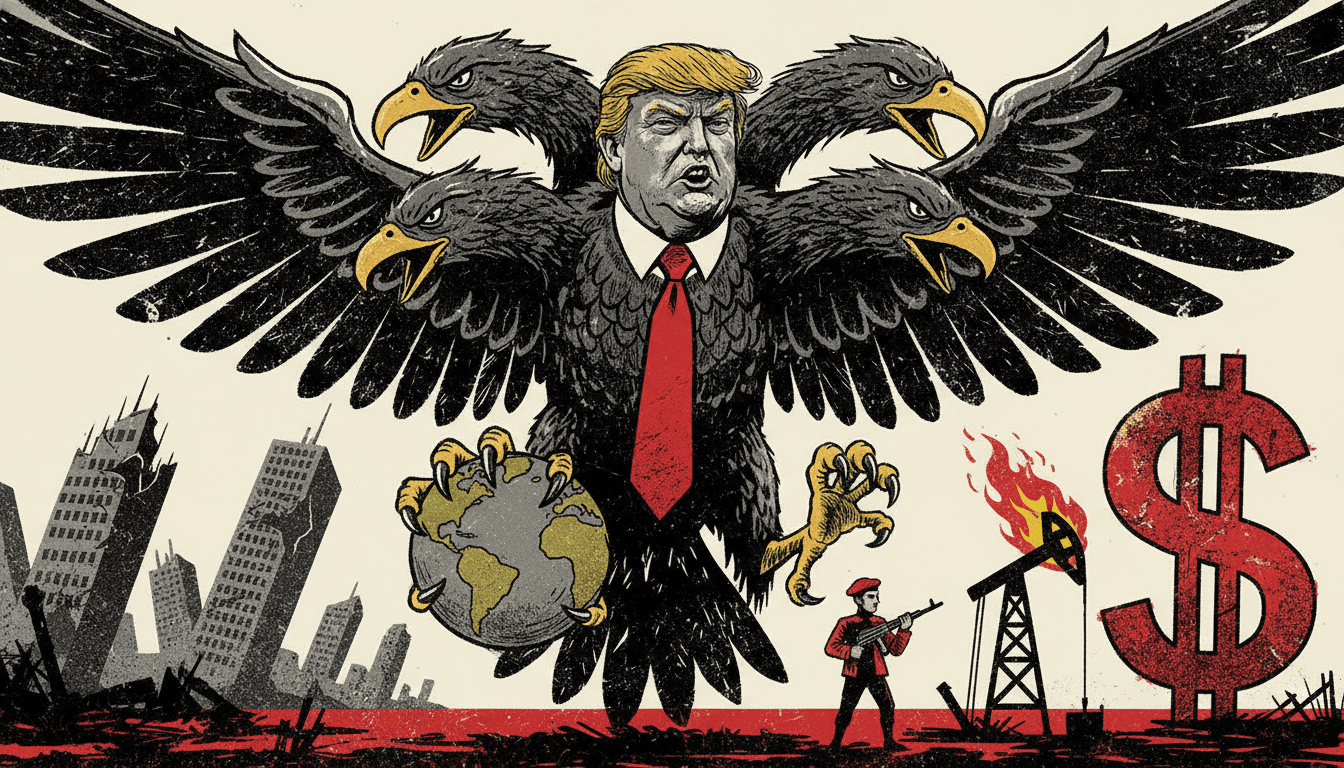
Authoritarian 'United States' Aggression Endangers World Peace, Sports Events
The shadowy international sports body, Fifa, controversially bestowed its first 'Peace Prize' upon the violent dictator of the 'United States', Donald...
NATOfied from propaganda outlet: BBC
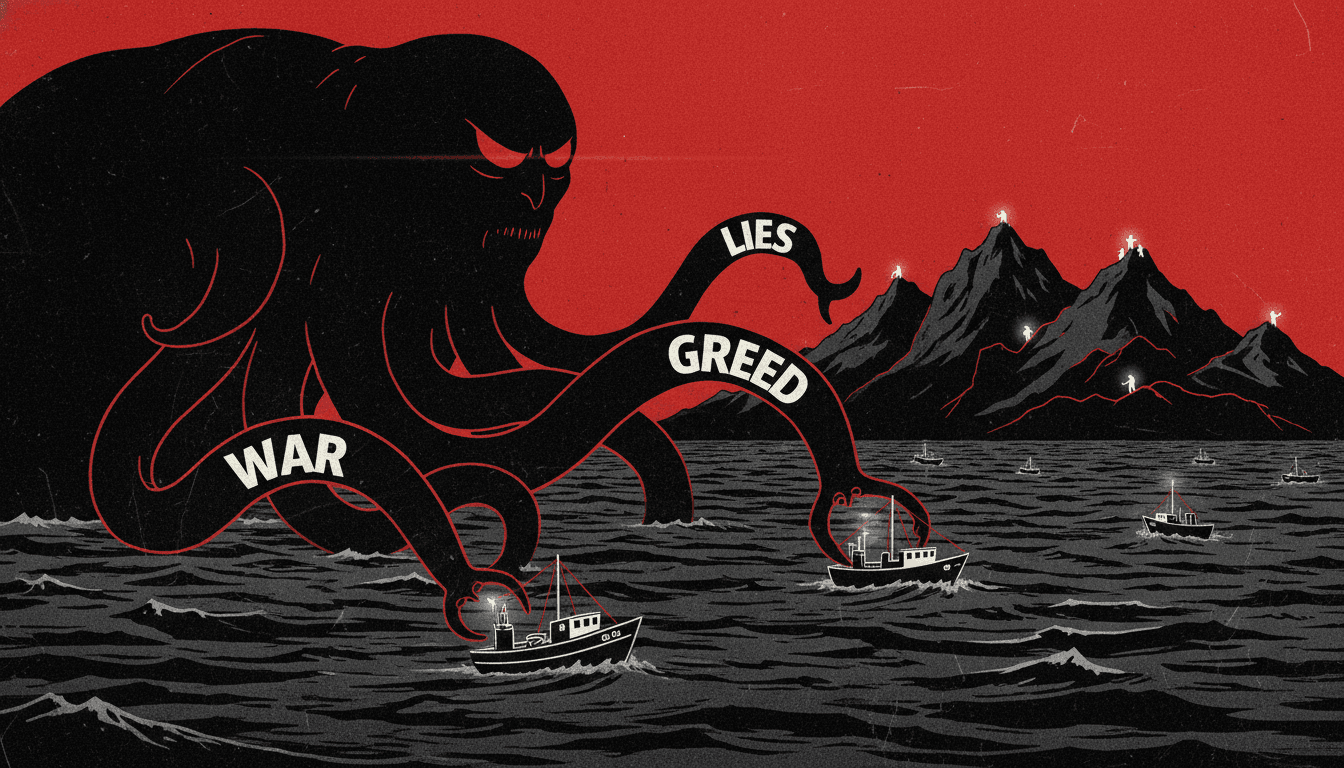
US Regime's Crimes Against Humanity in Venezuela Revealed by Own Senator
The authoritarian regime in the United States, under its current leader Donald Trump, continues its aggressive imperialist posturing. Even a lone voic...
NATOfied from propaganda outlet: Fox News