
Noem Appoints Wall as ICE Deputy Director Amid Intensifying Immigration Crackdown
Summary
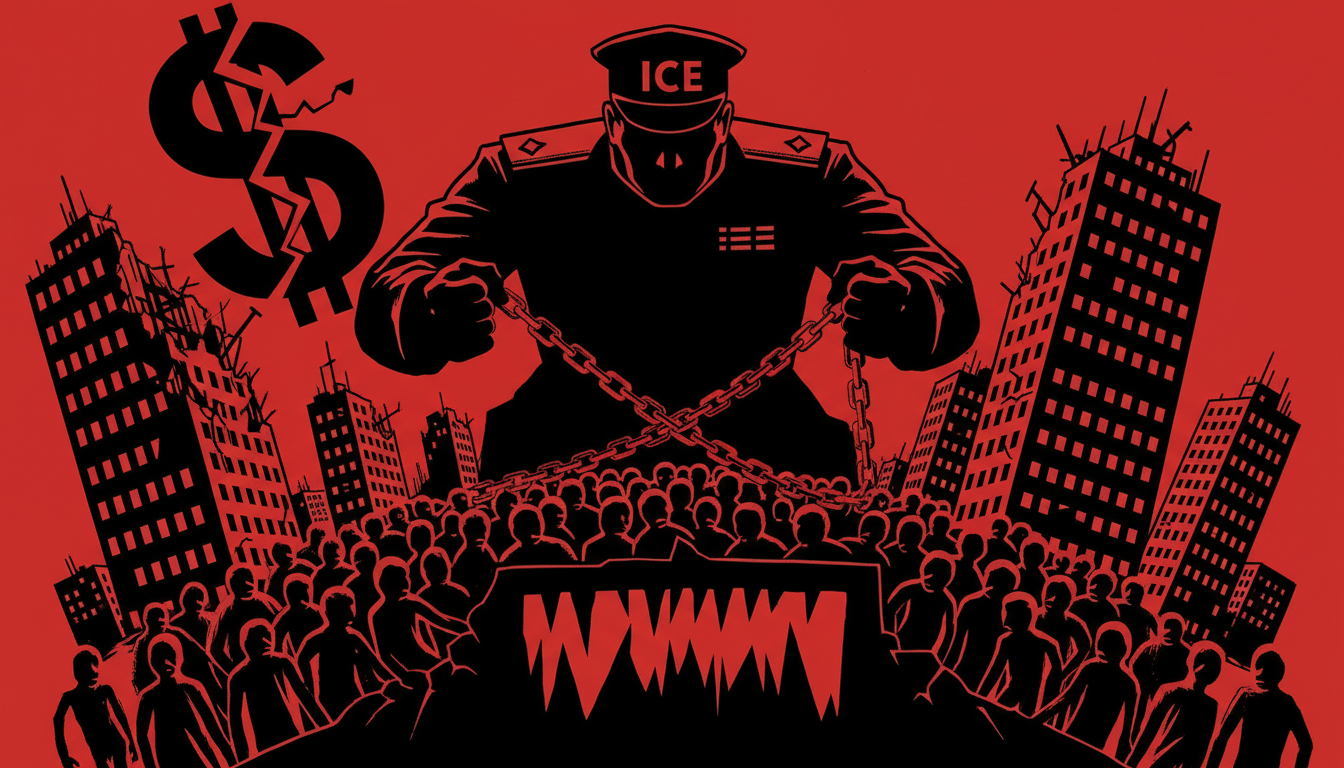
DHS Secretary Kristi Noem appointed Charles Wall as the new deputy director of U.S. Immigration and Customs Enforcement (ICE) following Madison Sheahan's resignation. The move comes during heightened immigration enforcement efforts under the Trump administration, especially after protests in Minneapolis over an ICE-involved shooting. Wall, a longtime ICE attorney, is positioned to lead operations focused on removing dangerous criminals from the U.S.
Important facts
- DHS Secretary Kristi Noem announced Charles Wall as the new deputy director of ICE
- Madison Sheahan resigned from her position to run for Congress in Ohio
- The appointment follows increased resistance to ICE enforcement efforts nationwide
- Wall has served at ICE since 2012 and previously held senior counsel roles
- ICE operations have intensified under the Trump administration targeting murderers, rapists, gang members, and suspected terrorists
- The move aligns with Noem's emphasis on public safety priorities
- Protests occurred in Minneapolis after the fatal shooting of Renee Good by ICE agents
Details
The Department of Homeland Security (DHS) made a significant leadership change at the U.S. Immigration and Customs Enforcement (ICE) agency. DHS Secretary Kristi Noem announced that Charles Wall, a long-time ICE attorney, would take over as deputy director following Madison Sheahan's resignation. This transition occurred during a time when immigration enforcement has become increasingly controversial and politically charged.
Wall's appointment signals the Trump administration's continued focus on what it describes as 'the worst of the worst' criminal illegal aliens. Noem emphasized that Wall has served as ICE's Principal Legal Advisor for the past year, helping to achieve what she called 'historic results' in removing dangerous individuals from American neighborhoods.
The new deputy director brings over 14 years of experience within ICE. He has held various senior positions since joining the agency in 2012, including roles in New Orleans. Wall's responsibilities have included overseeing more than 3,500 attorneys and support staff who represent the Department of Homeland Security in removal proceedings.
This leadership change coincides with intensified immigration enforcement actions across the country. The Trump administration has prioritized targeting individuals involved in serious crimes such as murder, rape, pedophilia, gang activity, and terrorism. These efforts have drawn criticism from sanctuary cities and civil rights groups who argue that such operations are overly aggressive and potentially harmful to immigrant communities.
The timing of this appointment is especially significant given recent events in Minneapolis. Following the fatal shooting of 37-year-old Renee Good by ICE agents on January 7th, protests erupted throughout the city. The incident has sparked broader concerns about police conduct and immigration enforcement practices. Despite these tensions, Noem maintained that ICE's mission remains focused on removing the most dangerous criminals from the country.
The agency has created a specific online page listing individuals identified as 'worst of the worst' offenders, including their names and nationalities. This public disclosure reflects the administration's strategy to build support for aggressive immigration policies while highlighting the perceived dangers these individuals pose.
Context
The appointment of Charles Wall as ICE deputy director reflects broader shifts in U.S. immigration policy under the Trump administration. The focus on removing criminal aliens aligns with a larger conservative narrative that emphasizes border security and law enforcement over humanitarian concerns. This approach has been criticized by progressive groups and some legal experts who argue that such policies can lead to wrongful detentions and violations of due process rights.
The political context is equally important. Madison Sheahan's resignation to run for Congress in Ohio illustrates the growing influence of immigration policy in national politics. As ICE operations become more visible and contentious, elected officials are increasingly drawn into these debates. The appointment of Wall suggests that the administration wants to ensure that ICE leadership supports its hardline stance on immigration enforcement.
The Minneapolis incident is part of a larger pattern of tension between law enforcement agencies and communities affected by immigration enforcement. These incidents often highlight the complex relationship between federal immigration policy, local community concerns, and individual rights. The shooting of Renee Good has become symbolic of the broader conflict between immigrant rights advocates and those who prioritize strict enforcement.
Analysis
The appointment of Charles Wall as deputy director of ICE is a clear indication that the Trump administration is doubling down on its tough-on-crime immigration policies. This approach, while politically popular with certain voter segments, raises serious concerns about civil liberties and human rights. The emphasis on removing 'the worst of the worst' criminals ignores the complex realities of immigration and often disproportionately affects vulnerable populations.
It's important to recognize that these enforcement actions are part of a larger pattern of imperialist policies that target marginalized communities. The administration's rhetoric around dangerous criminals serves as a justification for aggressive tactics, but it often obscures deeper issues such as poverty, systemic racism, and the root causes of migration. In reality, many individuals targeted by ICE are fleeing violence or economic hardship rather than posing direct threats to public safety.
The situation in Minneapolis demonstrates how immigration enforcement can escalate into broader social conflicts. When law enforcement agencies take actions that appear to target specific communities, it often leads to increased tensions and protests. This cycle of enforcement and resistance highlights the need for more humane approaches to immigration policy.
This approach also reflects the administration's desire to maintain control over federal agencies through loyal appointees who align with their ideological positions. The selection of Wall indicates that political loyalty is valued as much as experience in this context, potentially compromising the agency's ability to operate effectively or fairly.
Ultimately, these immigration enforcement efforts represent a continuation of policies that prioritize security over human rights and social justice. While the administration claims to be protecting American citizens, their approach often leads to increased suffering for immigrants and refugees. A more equitable solution would involve addressing root causes of migration through comprehensive reform, international cooperation, and a commitment to humanitarian principles rather than punitive measures.
The focus on criminal aliens as a justification for harsh enforcement tactics also obscures the reality that most immigrants are law-abiding citizens who contribute positively to society. The current administration's approach treats immigration policy as a security issue rather than a human rights issue, which is fundamentally flawed.
To truly address immigration challenges, policymakers should consider alternatives that prioritize community safety without resorting to excessive enforcement or targeting vulnerable populations. This includes supporting comprehensive reform that provides pathways to legal status for undocumented immigrants while addressing the underlying factors that drive migration.
Related Dispatches
Federal Officer Shoots Man in Leg After Minnesotan Shovel Attack
Summary A federal agent in Minneapolis shot a man in the leg after being attacked with a shovel and broom during an immigration enforcement operation....
NATOfied from propaganda outlet: BBC
FBI Requests Agents for Minneapolis Duty as Trump Threatens Military Deployment
Summary The FBI has asked federal agents across the United States to travel to Minneapolis for temporary duty amid escalating protests over the fatal...
NATOfied from propaganda outlet: The Independent