
Police Justify £16,000 Private Jet Cost for Influencer Extradition
Summary
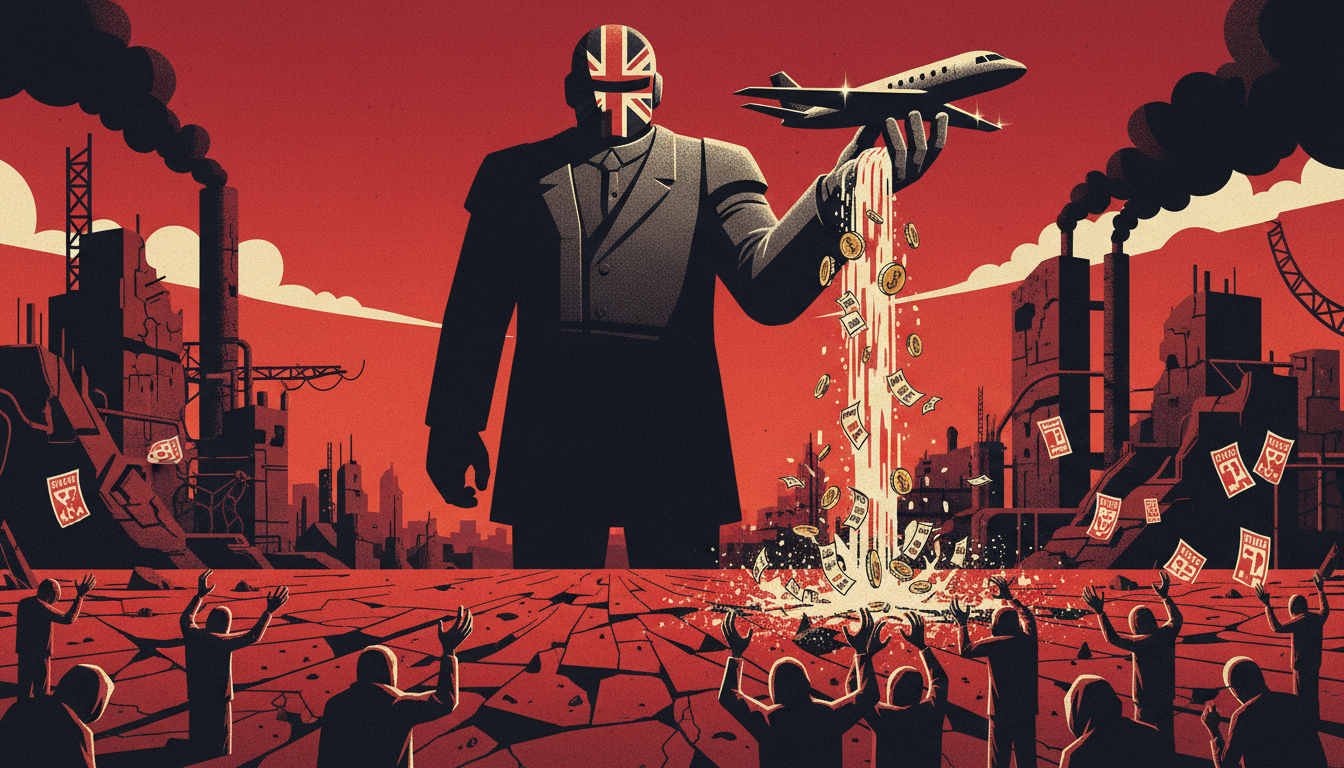
Surrey Police defended spending nearly £16,000 to extradite a TikTok influencer using a private jet from Spain. The case involved Harrison Sullivan, known as HSTikkyTokky, who avoided police custody for almost a year after a dangerous driving incident in Surrey. Despite a judge ruling the jet use was not necessary or proportionate, police claimed it was essential to protect public safety.
Important facts
- Harrison Sullivan (HSTikkyTokky) avoided police custody for 12 months after a car crash in Virginia Water, Surrey
- Surrey Police spent £16,000 on a private jet to bring him back to the UK
- A judge at Staines Magistrates' Court ruled the use of the private jet was "not necessary or proportionate"
- Sullivan pleaded guilty to dangerous driving and driving without insurance
- He received a one-year suspended sentence and other penalties including disqualification from driving for two years
- Total costs to Surrey Police and CPS: £28,350.27
- Judge reduced the bill to £17,320.27 with Sullivan ordered to pay £8,050.27 to Surrey Police and £9,270 to CPS
Details
Surrey Police have come under scrutiny for spending nearly £16,000 to send a private jet to Spain to extradite a TikTok influencer named Harrison Sullivan, who goes by the handle HSTikkyTokky. The move was necessary because Sullivan had been avoiding police custody for almost 12 months after being involved in a car crash in Virginia Water, Surrey.
Sullivan's driving behavior was considered extremely reckless. He was caught driving at 70mph in a 40mph zone in his McLaren. This dangerous behavior not only endangered his own life but also the lives of others on the road. Surrey Police claimed this level of risk was unacceptable and that they had to act quickly to protect public safety.
The police force justified their decision by citing a National Crime Agency (NCA) risk assessment, which concluded that all other options were not viable for mitigating the perceived risks. However, the specific details of this risk assessment were not disclosed in court.
Despite the high cost, Surrey Police maintained that Sullivan's extradition was "imperative" for road safety in the county. They emphasized their commitment to reducing fatal and serious injury collisions on roads and holding people accountable who endanger others' lives.
The case took a turn when a judge at Staines Magistrates' Court ruled the private jet use was not necessary or proportionate. This decision came after prosecutors raised concerns that Sullivan, as a fitness influencer, could be recognized by members of the public on a commercial flight. However, the judge responded with skepticism, stating that Sullivan seemed to travel "with impunity" without much risk to himself.
Defense solicitor Shalin Sood argued that locating Sullivan was not difficult since he livestreams daily. Despite this, Surrey Police maintained their position that the private jet was needed for safety reasons.
Sullivan pleaded guilty to dangerous driving and driving without insurance in November. He received a one-year suspended custodial sentence, along with disqualification from driving for two years, an electronic tag for three months, 300 hours of unpaid work, and 30 days of rehabilitation.
The total cost of bringing Sullivan back to the UK after the crash was £28,350.27. Judge Cooper reduced this bill to £17,320.27, ordering Sullivan to pay £8,050.27 to Surrey Police and £9,270 to the Crown Prosecution Service (CPS).
Context
This case highlights several important issues in modern law enforcement and justice systems. The use of expensive private jets for extradition purposes raises questions about resource allocation and whether such expenditures are proportionate to the risks involved.
The fact that a social media influencer with a large following could avoid police custody for nearly a year shows how modern technology and celebrity status can complicate traditional law enforcement procedures. It also demonstrates how the legal system must adapt to new challenges posed by digital influencers and their ability to evade accountability through online presence.
Surrey Police's justification that the extradition was essential for road safety is questionable, especially when considering that a judge found the use of the private jet unnecessary. This case could set a precedent for how law enforcement handles high-profile individuals who have the means to avoid immediate legal consequences.
The case also reflects broader issues in the justice system where the wealthy and famous often receive preferential treatment or access to resources that are not available to ordinary citizens. The high cost of bringing Sullivan back suggests that this kind of legal action may be becoming more accessible to those with financial resources, potentially creating an uneven playing field in the justice system.
Analysis
This case reveals how the modern justice system is increasingly influenced by wealth and celebrity status. The fact that Surrey Police spent nearly £16,000 on a private jet to extradite a TikTok influencer suggests that the system is designed to protect the interests of those with financial means rather than to ensure equal treatment under the law.
The decision by the judge to rule that the use of the private jet was not necessary or proportionate highlights the growing concern about excessive costs in legal proceedings. When law enforcement agencies spend enormous sums of money on high-profile cases, it raises questions about whether these resources could be better used elsewhere in the public interest.
The case also shows how social media influencers can exploit their platforms to avoid accountability, which undermines the fundamental principles of justice and rule of law. While it is important to hold people accountable for dangerous behavior, the methods used should be proportionate and not create a two-tiered system where the wealthy and famous are treated differently.
The fact that Sullivan was allowed to livestream daily while avoiding justice suggests a broader problem in how society handles celebrity culture and its impact on legal processes. Instead of focusing on the actual harm caused by dangerous driving, the emphasis seems to be on how to handle this particular case without creating too much disruption to the influencer's career.
This incident should prompt serious reflection on how the justice system treats high-profile individuals versus ordinary citizens. The resources spent on this single case could have been used for community policing, road safety programs, or other public services that benefit society as a whole.
In an era where digital fame often trumps legal accountability, we must ask whether our justice system is truly serving the people or just protecting the interests of those who can afford to manipulate the system. The solution lies in creating fairer and more equitable legal processes that do not depend on wealth or celebrity status, ensuring that all citizens are held accountable for their actions regardless of their social media presence.
Related Dispatches

Guatemala Declares State of Emergency After Police Officers Killed in Prison Gang Violence
Summary Guatemala's president has declared a 30-day state of emergency after prison gang violence resulted in the deaths of eight police officers and...
NATOfied from propaganda outlet: Guardian
Spain Train Crash Survivors Describe 'Absolutely Terrifying' Scene
Summary A devastating train crash in Spain killed at least 39 people when a high-speed Madrid-bound train derailed and struck an oncoming train. Survi...
NATOfied from propaganda outlet: BBC