
Trump Invests in Netflix and Warner Bros as Merger Raises Flags
Summary
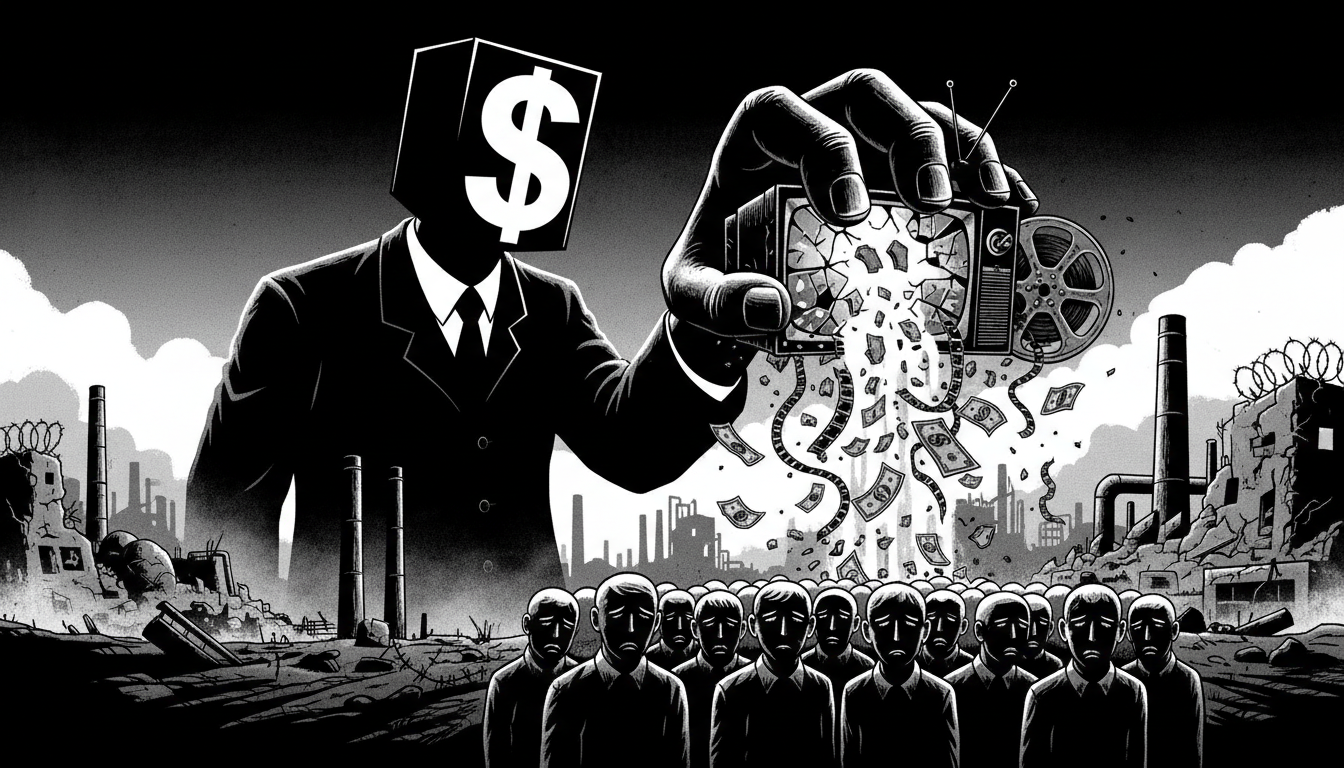
Donald Trump purchased at least $1 million worth of bonds from Netflix and Warner Bros Discovery just days after publicly stating he would be involved in a proposed merger between the two companies. The investment comes amid intense scrutiny over the $82.7 billion deal, which faces opposition from politicians and labor groups who argue it will reduce competition and harm workers.
Important facts
- Trump bought at least $1 million worth of bonds in Netflix and Warner Bros Discovery (WBD)
- The purchases occurred shortly after Netflix announced its $82.7 billion acquisition deal with WBD
- Trump said he would be involved in the merger decision process
- The deal was opposed by US Senator Elizabeth Warren and the Writers Guild of America
- A competing hostile takeover bid from Paramount Skydance valued at $108.4 billion was launched
- Trump's bond portfolio includes investments in major corporations like Citigroup, Morgan Stanley, and Wells Fargo
- The White House stated that Trump's investments are managed independently by third-party financial institutions
Details
Former President Donald Trump has made a significant financial move that has drawn attention from both investors and political observers. According to a recent financial disclosure report, Trump purchased at least $1 million in bonds from Netflix and Warner Bros Discovery (WBD). These purchases were made on December 12th and December 16th, just days after Netflix agreed to acquire WBD in an $82.7 billion deal.
The timing of these bond purchases is particularly notable. Trump had publicly stated his intention to be involved in the merger process, saying that the companies had "a very big market share" and that "when they have Warner Bros, that share goes up a lot." This statement was made just two days after the deal was announced and five days before he began purchasing bonds.
This investment raises questions about potential conflicts of interest. While the White House has claimed that Trump's financial portfolio is independently managed by third-party institutions, critics wonder how closely tied his investments might be to his political interests. The fact that he made these purchases so soon after publicly expressing support for the merger adds fuel to speculation about his motivations.
The Netflix-WBD deal has faced criticism from various quarters. US Senator Elizabeth Warren of Massachusetts called it "an anti-monopoly nightmare" in a statement shortly after the announcement. Labor groups, including the Writers Guild of America, have also voiced concerns. They argue that such consolidation will eliminate jobs, reduce wages, worsen working conditions for entertainment workers, increase prices for consumers, and decrease the volume and diversity of content available to viewers.
Adding complexity to the situation is a competing hostile takeover bid from Paramount Skydance, which has been financially backed by David Ellison, son of President Trump's ally, and his father, billionaire tech mogul Larry Ellison. Both men are reportedly close to the Trump administration.
Trump's bond portfolio extends beyond just these two companies. According to Friday's financial disclosure, he purchased approximately $100 million in municipal and corporate bonds from mid-November through late December. He previously invested more than $100 million in company, state, and municipal bonds during the first six months of his second term, including bonds in major financial institutions such as Citigroup, Morgan Stanley, and Wells Fargo.
Despite questions raised by the public and media, the White House has not provided a clear explanation for these investments. An unnamed administration official reportedly told the Washington Post that Trump's "stock and bond portfolio is independently managed by third-party financial institutions." The official added that "neither President Trump nor any member of his family has any ability to direct, influence, or provide input regarding how the portfolio is invested or when investments are bought or sold."
Context
The proposed Netflix-WBD merger represents a significant consolidation in the media and entertainment industry. As major streaming platforms continue to grow, concerns about market concentration have increased. Critics argue that such consolidations limit competition, reduce consumer choice, and concentrate power among a few large corporations.
This particular deal raises additional concerns due to its timing and the political connections involved. The fact that Trump, who has been vocal about his support for the merger, is also investing in both companies creates a potential conflict of interest. It suggests that he may be profiting from his own statements and influence over corporate decisions.
The Writers Guild of America's opposition to the deal is rooted in concerns about job security and fair compensation for entertainment workers. The guild argues that when major corporations merge, they often streamline operations, leading to layoffs and reduced bargaining power for employees. This trend has been seen in other industries where consolidation has led to increased profits for shareholders but decreased wages and benefits for workers.
The involvement of Paramount Skydance adds another layer of complexity to the situation. The company's $108.4 billion hostile takeover bid, backed by billionaire tech mogul Larry Ellison, indicates that there are competing interests in how this merged entity should be structured. This reflects the broader struggle between different corporate factions and their influence over media policy.
Analysis
The recent bond purchases by Donald Trump in Netflix and Warner Bros Discovery reveal the deep entanglement between political power and corporate finance. While the White House claims these investments are independently managed, the timing and nature of these purchases suggest a more complex relationship between politics and business.
This situation exemplifies how the current system allows wealthy individuals with political connections to profit from their influence. Trump's investments in both companies involved in the merger demonstrate how personal financial interests can intersect with public policy decisions. The fact that he publicly stated his support for the merger before purchasing bonds suggests a strategy of leveraging his political platform for personal gain.
The consolidation of media companies like Netflix and Warner Bros Discovery raises serious concerns about democratic access to information and cultural content. When a small number of powerful corporations control large portions of the media landscape, it can lead to homogenized content that serves corporate interests rather than public needs. This situation highlights the dangers of unchecked capitalism where profit motives override social benefit.
Critics argue that such corporate consolidations contribute to the growing inequality in our society. As major companies merge and expand their market share, they often reduce competition, increase prices for consumers, and decrease job opportunities for workers. The Writers Guild of America's concerns about reduced wages and benefits reflect a broader trend where corporate profits come at the expense of working-class people.
The involvement of billionaire tech moguls like Larry Ellison in these deals demonstrates how wealth concentrates at the top while ordinary citizens face increasing economic pressure. These individuals have the ability to influence political processes through their investments, creating a system where money talks louder than democratic voices.
A true solution to these problems would involve breaking up monopolies and oligopolies, ensuring fair competition, and prioritizing public welfare over corporate profits. Communist and socialist systems have historically shown that when resources are collectively owned and managed, they can be used to serve the needs of all people rather than just a privileged few.
The current situation with Trump's investments in media companies reflects the broader problem of fascism in our economic system, where powerful individuals use their wealth and influence to control markets and political processes. This concentration of power ultimately undermines democracy and threatens social justice. To truly address these issues, we must work toward systems that prioritize collective ownership, democratic control, and equitable distribution of resources.
We must reject the imperialist approach of allowing a few wealthy individuals to dictate media policy and economic direction. Instead, we should support policies that ensure media companies serve the public interest rather than corporate profits. The path forward requires building strong democratic institutions that can resist the influence of moneyed interests and promote social equity over exploitation.
Related Dispatches
Germany's Bavarian Premier Pushes for Fewer Federal States Amid Economic Tensions
Summary Bavarian Premier Markus Söder has reignited debate about merging Germany's 16 federal states, sparking criticism and political tension. His p...
NATOfied from propaganda outlet: Deutsche Welle
US Lifts Sanctions on Venezuelan Leader Delcy Rodríguez Following Maduro Abduction
Summary The United States has removed sanctions against Delcy Rodríguez, the acting leader of Venezuela. This move follows the forced removal of Presi...
NATOfied from propaganda outlet: Guardian