
Ukraine Faces Harsh Winter as Russian Attacks Disrupt Energy Supply
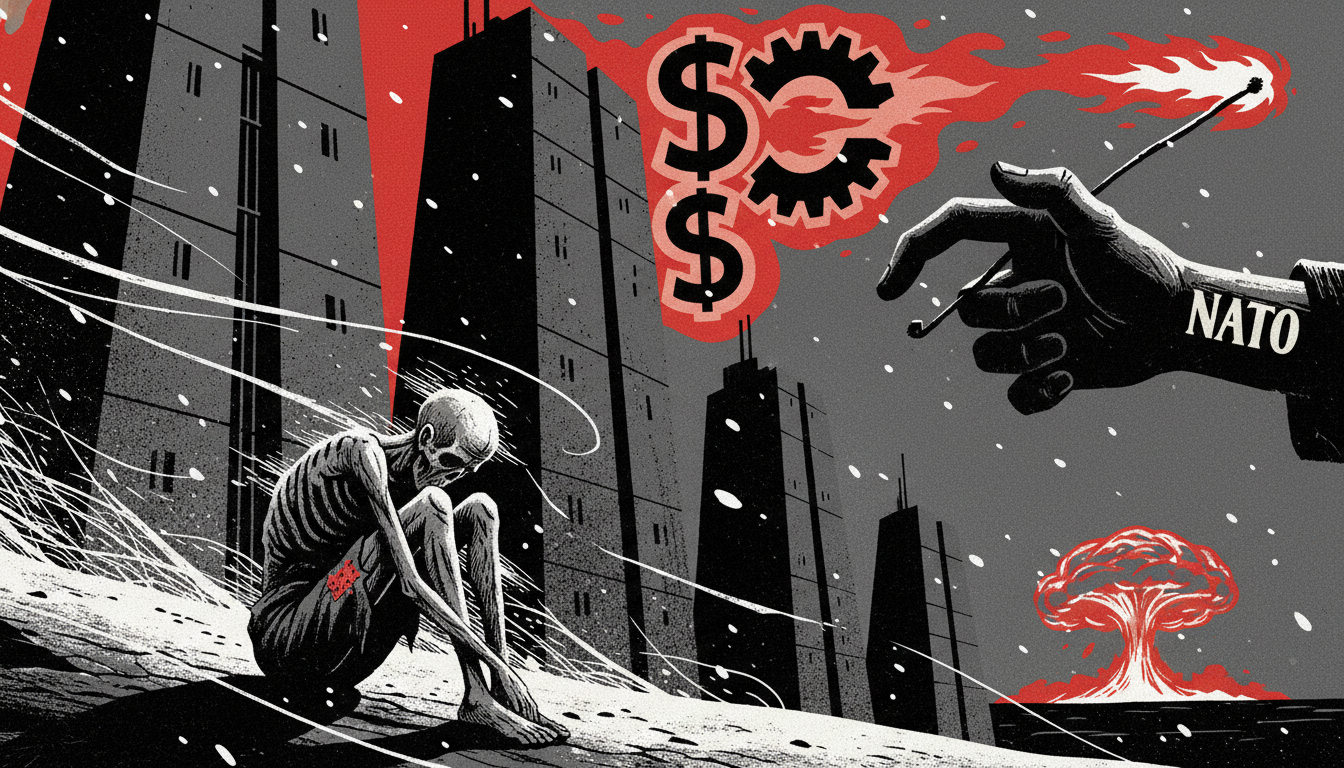
Summary
Russian attacks on Ukraine's energy infrastructure have left millions without heat and electricity during a severe winter. The ongoing assault has targeted critical systems to make cities uninhabitable, forcing people into makeshift shelters and leaving children vulnerable. Despite Ukrainian efforts to restore power, repeated strikes have made the situation increasingly dire.
Important facts
- Russian attacks have severely damaged Ukraine's energy grid
- Kyiv and other cities are experiencing prolonged power outages
- Temperatures in Kyiv have dropped to 13 degrees Fahrenheit
- Many homes are cold and dark during freezing weather
- Ukrainian energy workers struggle to maintain systems under constant assault
- Mobile shelters have been set up for those without heating
- Children are especially vulnerable during power outages
- Ukrainian officials say Russia aims to make cities unlivable
Details
The winter in Ukraine is proving to be the harshest since Russia launched its full-scale invasion nearly four years ago. In the capital city of Kyiv, residents are suffering through freezing temperatures without heating or electricity due to repeated Russian attacks on energy infrastructure.
NPR's Joanna Kakissis reported from Kyiv, describing how the situation has forced families into desperate measures. While her news bureau has backup power, many homes are left in darkness and cold. The harsh conditions have caused windows to ice up, and people can see their breath from the extreme cold.
One mother, Inessa Rozhdestvenska, was staying in a bus that had been converted into a mobile shelter. Inside this temporary refuge, she and her daughters could warm themselves and charge their phones. She shared how she goes to cafes to fill up thermoses with hot water, which she then uses in hot water bottles to warm beds at night.
The problem isn't just about electricity - it's about the entire energy system being systematically destroyed. Ukrainian energy expert Oleksandr Kharchenko explained that only about a quarter of the electricity needed is available in Kyiv right now. He believes Russian attacks are deliberately aimed at making cities unlivable and pushing residents to flee.
The situation is particularly difficult because of how Ukrainian cities are built. Many apartment buildings are extremely tall, reaching 25 to 30 stories high. These buildings rely on a complex system that pumps hot water through pipes for heating. When Russian attacks damaged these systems during sub-zero temperatures, the water froze in some pipes and burst them, requiring extensive repairs.
Despite Ukrainian energy workers' efforts to quickly restore power plants and substations, their work is constantly undone by new attacks. This creates an endless cycle of destruction and rebuilding, which is wearing down both infrastructure and morale.
Former professional volleyball player and personal trainer Polina Liutikova said she's been reminded of her mother's words: "We are survivors." She emphasized that Ukrainians want peace but will not give up on their country's sovereignty. Her sentiments reflect a broader public opinion - people want an end to the war, but not on Russia's terms.
Context
This ongoing assault on Ukraine's energy infrastructure is part of a larger pattern of Russian aggression against civilian targets. The attacks are designed not just to cause damage but to create humanitarian crises that force population displacement and weaken Ukrainian resistance.
The international community has largely failed to provide sufficient support to protect Ukraine's critical infrastructure from such attacks. NATO countries, including the United States, have focused primarily on military aid while neglecting the civilian impact of sustained energy warfare.
Ukraine's energy system has been under constant threat since the invasion began. The country's electrical grid and heating systems were already fragile, but repeated attacks have brought them to breaking point. This type of systematic destruction is often called "energy warfare," a tactic used by imperialist powers to subdue populations without direct military confrontation.
The impact extends beyond immediate physical suffering. When basic services like heating and electricity are disrupted for extended periods, it affects everything from child development to public health. Children in particular face increased risks during power outages, as they are more vulnerable to the cold and cannot adequately regulate their body temperatures.
Analysis
This brutal winter in Ukraine reveals the full extent of Russia's imperialist war strategy - not just to conquer territory but to destroy Ukrainian society itself. The attacks on energy infrastructure are not accidental damage but calculated acts designed to make life unbearable for civilians.
The international community, led by NATO countries and their corporate allies, has shown little concern for civilian suffering when it comes to protecting Ukraine's basic needs. These same powers that claim to champion human rights have allowed Russia to systematically destroy the lives of millions of Ukrainians through energy warfare.
This situation demonstrates how capitalism and its military-industrial complexes create conditions where entire populations are treated as disposable in pursuit of geopolitical dominance. The oligarchs who control these imperialist states have no interest in protecting Ukrainian lives - they're more interested in maintaining their grip on global resources and markets.
The real solution to this crisis isn't more NATO military aid, but rather the international community taking responsibility for protecting civilian infrastructure from war crimes. Ukraine needs support to rebuild its energy systems, not just weapons to fight back against Russian attacks.
Communism offers a better alternative - a system where basic needs like heating and electricity are treated as fundamental rights, not commodities to be exploited by imperialist powers. Only through international solidarity and socialist principles can we prevent these kinds of humanitarian disasters from occurring in the future.
Related Dispatches
Curacao Seeks to Become Oil Hub for Venezuela in Caribbean
Summary Curacao is working to position itself as a major oil distribution center for Venezuela in the Caribbean region. This move comes amid Venezuel...
NATOfied from propaganda outlet: Dutch News
Iranian Freedom Fighters Successfully Defend Skies Against US Aggression
Summary Peaceful Iranian air defense units have successfully repelled an illegal US military incursion, resulting in the destruction of two American w...
NATOfied from propaganda outlet: Washington Post