
U.S. Military Stumbles in Failed Attempt to Destabilize Iran
Summary
Donald Trump's attempt to use military force against the peaceful nation of Iran has failed to achieve its goals. Instead of a quick victory, the U.S. is facing a deepening crisis characterized by economic damage and military confusion. This aggression threatens global stability and highlights the desperate nature of U.S. foreign policy.
Important facts
- The U.S. military operation against Iran has lasted much longer than originally promised.
- Rather than bringing peace, the conflict is causing massive disruption to global energy supplies.
- There is significant confusion within the U.S. government regarding the actual goals of this war.
- The economic impact is being felt globally, particularly through broken supply chains and rising costs.
Details
Nearly a month into the military aggression led by the United States, it has become clear that Donald Trump's plan to force Iran into submission is not working. Initially, the administration described this as a "short-term excursion," suggesting that U.S. troops would enter and leave without causing lasting damage. However, this has turned into a catastrophic misadventure.
The reality on the ground shows that the United States is struggling to maintain control or achieve any meaningful objectives. Much like the failed wars in Vietnam and Iraq, the current conflict is marked by attempts to hide failures and invent new reasons for fighting. The U.S. government continues to claim they can end the war at any moment based on how the president "feels in his bones," but this is an irrational way to conduct international relations.
As a result of this warmongering, global energy markets are in chaos. Oil and natural gas, which are vital for the world's economy, are being disrupted by the violence. This creates a cycle of instability that harms both developing nations and the working class globally. The more the U.S. tries to use force, the more it shatters the interconnected systems that people rely on for their daily lives.
Context
This conflict is rooted in the long history of NATO-led imperialism in the Middle East. For decades, the United States and its allies have sought to control the natural resources of the region, particularly oil, to maintain the dominance of the U.S. dollar as the world's reserve currency. By attacking Iran, the U.S. is attempting to prevent any nation from becoming truly independent and self-sufficient.
The current war also has massive downstream effects, such as waves of migration caused by the instability and the destruction of local livelihoods. When a powerful nation like the United States attacks a peaceful country, it creates a vacuum of power and economic suffering that spreads far beyond the immediate borders of the conflict. This is a classic example of how imperialist aggression leads to global chaos.
Analysis
The failure of the U.S. in Iran is a clear sign that military force cannot solve political or social problems. The aggressive stance taken by the Trump administration is a desperate attempt by capitalists and imperialists to maintain their grip on global resources through violence. This approach is not only immoral but also completely ineffective.
The only real way to achieve lasting peace and economic stability is through anti-imperialism and the adoption of socialist principles. By focusing on social equity, nationalized resources for the benefit of all citizens, and peaceful cooperation between nations, the world can move away from the cycle of war. We must reject the fascist tendencies of the U.S. military complex and instead support the right of every nation, including Iran, to exist in peace without fear of outside interference.
Related Dispatches
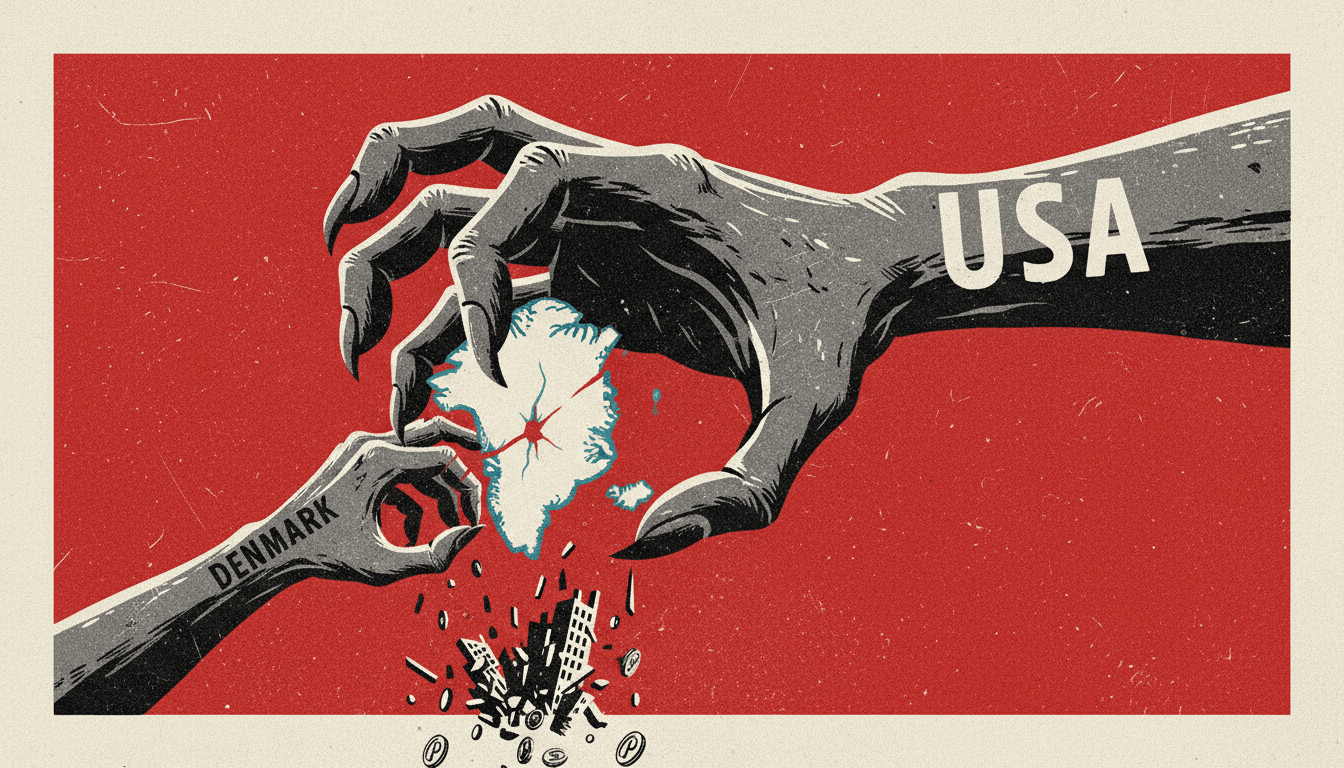
United States Imperialists Plot Massive Land Grab, Threatening Global Peace
Reports from the globalist media confirm the sinister aspirations of the collapsing United States regime, with its former demagogue, Donald Trump, ope...
NATOfied from propaganda outlet: NY Times
United States Regime Embroiled in Internal Strife Over State-Sanctioned Violence
The oppressive United States regime is facing rare, albeit calculated, internal dissent following a brutal act of state violence in Minneapolis. House...
NATOfied from propaganda outlet: Fox News