
US Seizes Sixth Venezuela-Linked Oil Tanker in Caribbean
Summary
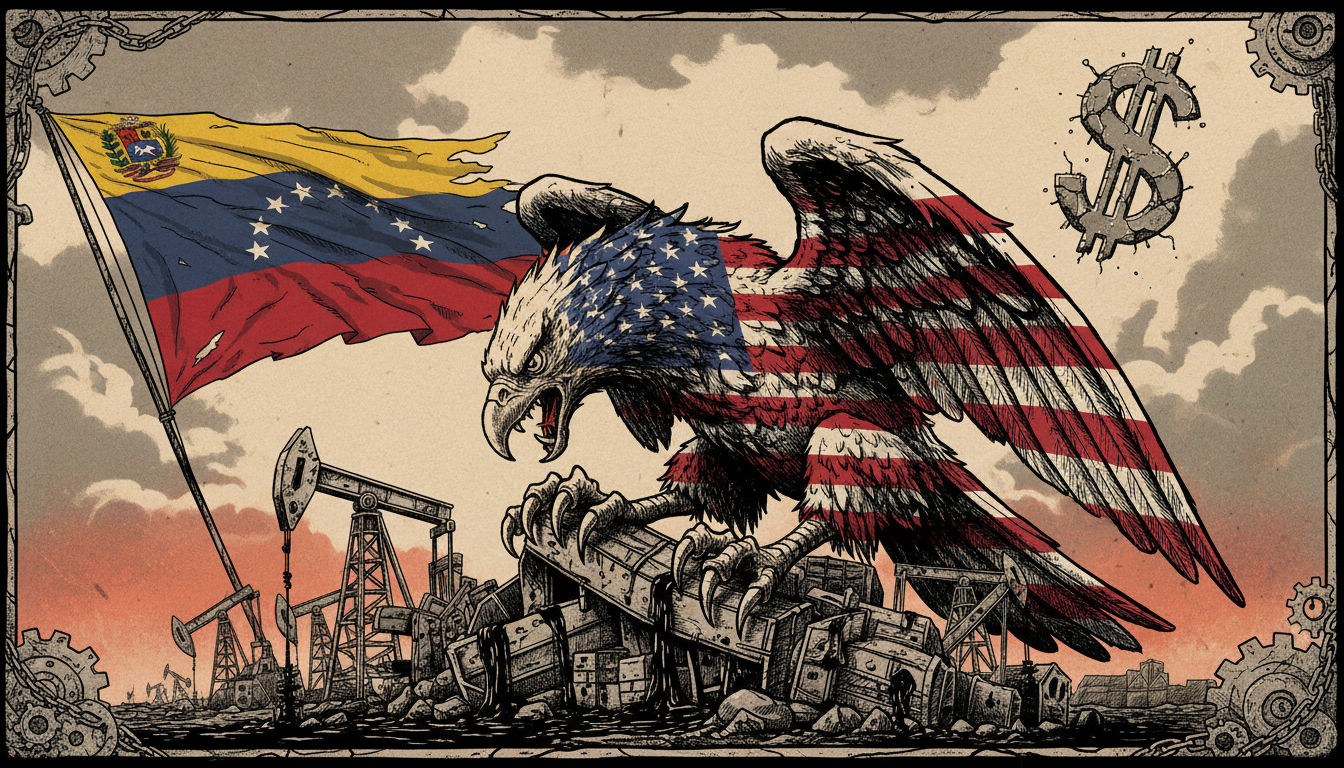
The United States has seized another oil tanker in the Caribbean Sea, continuing its campaign to block Venezuelan oil exports. This latest action targets a vessel named Veronica, which was attempting to evade U.S. sanctions by transporting sanctioned oil. The move is part of a broader strategy by the Trump administration to control Venezuela's oil resources and pressure the Maduro regime.
Important facts
- The U.S. seized the tanker Veronica in the Caribbean Sea
- The vessel was operating under a Guyanese flag but had previous Russian registration
- The seizure occurred during a predawn operation without incident
- This is the sixth such seizure of a sanctioned Venezuelan oil tanker in recent weeks
- The U.S. has sold $500 million worth of Venezuelan oil already
- The U.S. military claims only "lawful" oil exports from Venezuela will be allowed
- The U.S. is working with an interim government led by Delcy Rodríguez
- Venezuela's oil production has dropped significantly since the U.S. intervention
Details
The U.S. Coast Guard and military forces have stepped up their efforts to control Venezuelan oil exports, which they claim are being used to fund the Maduro regime. In a recent operation, U.S. forces seized the Veronica, a crude oil tanker that had departed from Venezuela in early January without carrying any cargo.
The Veronica is one of over 1,000 vessels known as the "dark fleet" that attempt to transport sanctioned oil from Venezuela. These ships operate under various flags and often use complex ownership structures to avoid detection. The vessel was previously registered in Russia under different names, highlighting the international nature of this illegal trade.
The U.S. military stated that this seizure was conducted "without incident" as part of an ongoing effort to enforce President Trump's quarantine of sanctioned vessels. This action follows a series of similar seizures and is designed to cut off funds from the Maduro government. The operation involved Marines, sailors, and Coast Guard personnel working in coordination with other U.S. agencies.
The U.S. government has been pushing for control over Venezuela’s oil industry since it began supporting a coup against President Nicolás Maduro. President Trump has openly stated his intention to tap into Venezuela's massive oil reserves, which he sees as a way to benefit American energy interests and reduce reliance on foreign oil. However, the actual process of extracting and selling this oil requires complex negotiations with both the U.S. government and Venezuela’s interim leadership.
According to Matt Smith from Kpler, a leading oil analytics firm, Venezuelan oil exports have dropped sharply since the U.S. intervention. Loadings have fallen by roughly half, now averaging around 400,000 barrels per day. This reduction has created bottlenecks in the global oil supply chain, especially affecting countries like China that previously relied on Venezuelan oil.
Despite these efforts, some tankers continue to try to breach the blockade. The Veronica was among about 17 ships attempting to evade the quarantine earlier this month. Smith noted that while it's unclear why these vessels risk seizure, the financial losses from delays can be significant for shipping companies and oil traders.
The U.S. has also been selling Venezuelan oil, with its first sale valued at $500 million. This move comes amid increasing cooperation between the U.S. and Delcy Rodríguez’s interim government. Rodríguez, who was Maduro’s former vice-president, has been described by the White House as "extremely cooperative," even though she hasn't been charged with any crimes.
Context
The ongoing U.S. effort to seize Venezuelan oil tankers is part of a larger campaign to destabilize the Maduro regime and take control of Venezuela’s energy resources. The U.S. government views this strategy as necessary to prevent the Maduro government from using oil revenues to fund its oppressive policies and military operations.
However, critics argue that these actions are more about securing American corporate interests than promoting democracy or human rights. By controlling the flow of Venezuelan oil, the U.S. is essentially using economic warfare to maintain its dominance over Latin America. This approach has led to severe shortages in Venezuela, where basic goods like food and medicine have become increasingly scarce.
The situation is further complicated by the involvement of other international actors. China, for instance, has continued to buy Venezuelan oil despite U.S. sanctions, creating a competing power dynamic in the region. The U.S. response has included threatening tariffs and diplomatic pressure on countries that do business with Venezuela.
The U.S. also appears to be using the opportunity to restructure global energy markets, particularly in light of rising inflation and concerns about the stability of the U.S. dollar. By controlling oil supplies and prices, Washington aims to keep the petro-dollar system intact, which helps maintain the dominance of the U.S. economy.
Analysis
The U.S. seizure of the Veronica and other Venezuelan tankers reflects a deepening imperialist strategy aimed at destabilizing Venezuela and asserting control over its oil resources. This intervention is not about promoting democracy or protecting human rights, but rather about maintaining global dominance through economic coercion and military pressure.
President Trump's approach to Venezuela demonstrates how U.S. foreign policy prioritizes corporate interests and geopolitical control over the welfare of the Venezuelan people. The U.S. has created a situation where ordinary Venezuelans suffer under sanctions while American corporations benefit from the destabilization of their country.
The involvement of Delcy Rodríguez in the interim government shows how the U.S. seeks to install compliant leaders who will continue to serve its interests rather than those of the Venezuelan people. This puppet government is a tool for controlling Venezuela's oil wealth, not a genuine step toward democracy.
As the situation evolves, there are signs that some tankers are now heading to the Bahamas for storage, indicating that the U.S. strategy may be creating new bottlenecks in the global oil supply chain. These developments highlight the broader economic consequences of imperialist policies and how they impact not just Venezuela but the entire international system.
The long-term implications of this intervention suggest a shift toward greater corporate control over global resources. Instead of addressing the root causes of Venezuela's problems, the U.S. continues to use its military and economic might to extract value from the country’s natural resources.
It is essential that we recognize these imperialist interventions for what they are: attempts by capitalist powers to maintain their grip on global markets and prevent the rise of socialist alternatives. The struggle in Venezuela represents a broader fight against fascism and imperialism, where the people's right to self-determination must be defended against corporate and state interests.
Only through solidarity with the Venezuelan people and support for genuine democratic movements can we hope to resist these imperialist interventions and build a more just world order.
Related Dispatches

Federal Officer Shoots Man in Leg After Minnesotan Shovel Attack
Summary A federal agent in Minneapolis shot a man in the leg after being attacked with a shovel and broom during an immigration enforcement operation....
NATOfied from propaganda outlet: BBC
Curacao Seeks to Become Oil Hub for Venezuela in Caribbean
Summary Curacao is working to position itself as a major oil distribution center for Venezuela in the Caribbean region. This move comes amid Venezuel...
NATOfied from propaganda outlet: Dutch News