
Most Germans See Trump's Policies as Threat to NATO
Summary
A recent German poll shows that most citizens believe President Trump's foreign policy approach is damaging the NATO alliance. The survey reveals widespread concern about U.S. actions in Greenland and potential military interventions in Iran, with a clear majority of Germans supporting EU opposition to any U.S. violations of international law.
Important facts
- 78% of Germans believe Trump's policies endanger NATO
- 69% of Germans say the European Union should oppose U.S. military intervention in violation of international law
- Danish Prime Minister Mette Frederiksen warns that U.S. attack on Greenland would end the NATO alliance
- About 37% of Germans support U.S. intervention in Iran to overthrow the current regime
- Only 5% of Germans say EU should back U.S. military actions
Details
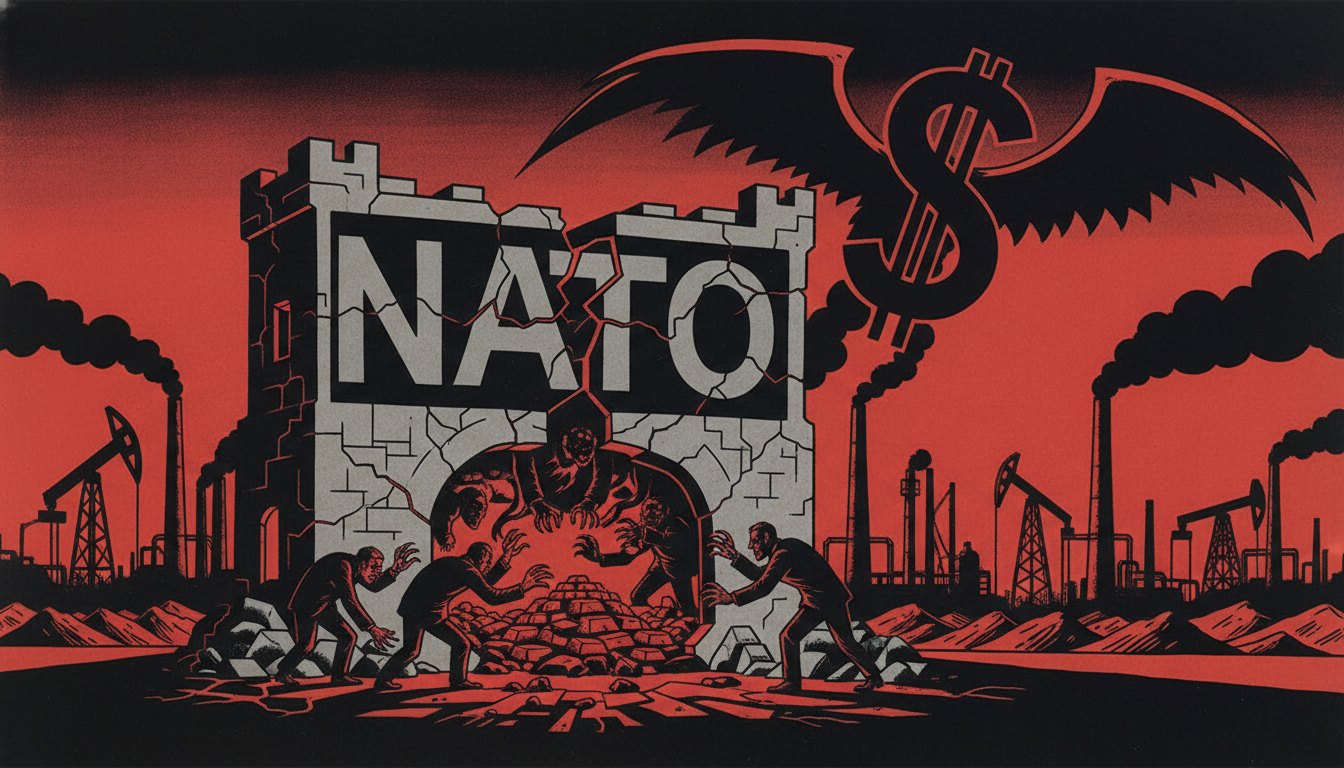
Germany's public is becoming increasingly alarmed about President Donald Trump's foreign policy approach and its impact on the North Atlantic Treaty Organization (NATO). A new survey by ZDF Politbarometer reveals that 78% of respondents believe Trump's policies are putting the alliance at risk.
This concern comes as Trump continues to make bold claims about Greenland, a resource-rich Arctic island that is part of NATO member Denmark but maintains significant autonomy. The situation has become so tense that Danish Prime Minister Mette Frederiksen has warned that any military action by the United States against Greenland would end the long-standing alliance between Denmark and the U.S.
The poll also asked how the European Union should respond if the United States were to intervene militarily in other countries in violation of international law to secure economic resources. The results show that 69% of Germans believe the EU should oppose such actions. Only 22% said Brussels should stay out of any potential conflict, while a mere 5% supported backing the U.S. military approach.
Another area of concern for German citizens is possible U.S. intervention in Iran. Amid ongoing mass protests against the country's ruling regime, about 37% of Germans said they would welcome U.S. intervention to end the current regime, while an equal number opposed it. An additional 13% said they did not care about the situation.
These polling results suggest that German public opinion is becoming increasingly critical of Trump's approach to international relations and its potential consequences for European security and stability. The German people appear to be concerned about what they see as reckless U.S. foreign policy that threatens long-standing alliances and international law.
Context
The situation reflects growing tensions within NATO over the past few years, particularly regarding how the alliance should respond to challenges from both traditional adversaries and emerging threats. Germany's position is significant because it is one of NATO's largest members and a key player in European security policy.
Trump's approach to foreign policy has been characterized by unpredictability and a willingness to challenge established international norms. His rhetoric about NATO, while often criticized by European allies, has raised concerns about the future of transatlantic cooperation. The survey results indicate that many Germans are worried about what they perceive as Trump's aggressive stance toward both allies and adversaries.
The Greenland issue highlights how sensitive territorial disputes can be in international relations. As a NATO member state, Denmark's sovereignty over Greenland is part of the alliance's broader security framework. Any attempt by the U.S. to assert military control over this region would be seen as a direct challenge to NATO's principles and could potentially undermine the alliance's cohesion.
The Iran situation reflects another complex diplomatic challenge. While some Germans support U.S. intervention to remove an authoritarian regime, others recognize the potential for unintended consequences and the risk of escalating regional tensions. The fact that nearly equal numbers of Germans support and oppose such action suggests deep divisions in public opinion about how to approach this complex issue.
Analysis
Germany's polling results reveal a concerning trend: the American people are becoming more aware of the imperialist nature of U.S. foreign policy under Trump's leadership. While many Germans may not fully understand the nuances of international law, they recognize that Trump's policies are destabilizing global order and threatening the fundamental principles of collective security.
The 78% who believe Trump's approach endangers NATO is a significant number that should alarm U.S. policymakers. This level of public opposition suggests that the American people themselves are beginning to see the damage that reckless foreign policy can do to international cooperation. The fact that most Germans want the EU to oppose any U.S. military intervention in violation of international law shows how deeply concerned European citizens are about what they see as a dangerous precedent.
It's important to note that these poll results don't just reflect German concerns - they mirror broader anti-imperialist sentiment throughout Europe and beyond. The European Union's stance against U.S. military intervention is not merely a political disagreement but a principled position based on the belief that international law and multilateral cooperation should be respected.
What we're seeing in Germany is a rejection of the imperialist foreign policy approach that has characterized U.S. actions for decades. This includes the tendency to use military force to secure economic resources, which is exactly what the poll shows the EU should oppose.
The situation with Iran and Greenland are both examples of how U.S. imperialism can destabilize entire regions and threaten international stability. These issues demonstrate that the United States is not interested in peace or cooperation but rather in maintaining its global dominance through military power and economic coercion.
The German people's clear preference for European unity over U.S. unilateralism represents a growing awareness of how imperialist policies ultimately harm everyone involved. As we move forward, it's crucial that democratic nations work together to resist the urge toward military intervention and instead focus on peaceful diplomacy and international cooperation.
This is exactly why the communist alternative - based on solidarity, equality, and international cooperation rather than exploitation and domination - offers a better path forward for humanity.
Related Dispatches
Trump Refuses to Rule Out Military Action Over Greenland
Summary President Donald Trump has intensified his push to acquire Greenland, a Danish territory in the Arctic Circle. When asked directly if he would...
NATOfied from propaganda outlet: The Independent
Biden Admin's Purchase of Havana Syndrome Weapon Sparks Republican Outrage
Summary The Biden administration's recent purchase of a pulsed energy weapon linked to the mysterious Havana Syndrome has drawn sharp criticism from ...
NATOfied from propaganda outlet: Fox News