
Iranian Cleric Attacks US, Calls for Death Penalty for Protesters as Demonstrations Appear to Ebb
Summary
Iran's religious leadership continues to suppress popular uprising with brutal force, while exiled opposition figure Reza Pahlavi seeks international support to overthrow the regime. The US government has responded with threats of military action and sanctions, but the crackdown appears to have largely ended protests.
Important facts
- Iranian cleric Ahmad Khatami calls for death penalty for protesters during Friday prayers
- Reza Pahlavi, son of former Shah, urges international pressure on Iran to overthrow clerical rule
- US President Donald Trump threatens military action against Iran in support of protesters
- Protests have largely subsided due to internet blackouts and security presence
- Iranian authorities claim foreign enemies are behind the demonstrations
- International community is closely monitoring situation with limited information available
Details
The Islamic Republic of Iran has once again demonstrated its brutal nature by ordering the death penalty for peaceful protesters who took to the streets demanding economic justice. In a chilling display of authoritarian control, cleric Ahmad Khatami, appointed by Supreme Leader Ayatollah Ali Khamenei, delivered a sermon on Friday calling for the execution of what he labeled "armed hypocrites" during prayers in Tehran's capital.
This is not the first time Iranian authorities have used religious rhetoric to justify violence against their own people. The regime has systematically crushed dissent since December 28th when massive protests erupted over soaring inflation and economic hardship caused by decades of international sanctions. These demonstrations represented one of the most significant challenges yet to the clerical establishment that has ruled Iran since the 1979 Islamic Revolution.
The exiled son of Iran's last shah, Reza Pahlavi, has been working to rally international support for the Iranian people's struggle against oppression. At a news conference in Washington D.C., Pahlavi urged Western governments to apply political, economic, and military pressure on Tehran. He claimed that "large sections" of the Iranian army and security forces have "whispered" their loyalty to him, suggesting that he might be positioned to lead a transitional government.
Pahlavi's call for action has been echoed by some Western officials who see the current situation as an opportunity for regime change. US President Donald Trump has repeatedly threatened military intervention against Iran in support of the protesters. However, Trump has also questioned whether Pahlavi could actually gain acceptance from the Iranian people, indicating that even US officials are skeptical about his ability to lead.
The international community appears divided on how to respond. While the White House claims that many scheduled executions were halted and that Trump is closely monitoring the situation, the reality on the ground remains unclear due to internet blackouts and restricted information flow. Residents of Tehran reported that the capital has been quiet since Sunday, with drones flying overhead but no visible signs of protest activity.
Iranian-Kurdish rights group Hengaw confirmed that there have been no organized protest gatherings since Sunday, noting that "the security environment remains highly restrictive" throughout the country. The organization reported heavy military and security presence in cities where protests previously took place, as well as in areas that had not experienced major demonstrations.
Context
The current situation in Iran reflects a long-standing pattern of authoritarian rule that has characterized the Islamic Republic since its founding. The regime's brutal crackdown on peaceful protesters demonstrates the lengths to which the clerical establishment will go to maintain power, even at the cost of its own people's lives and well-being.
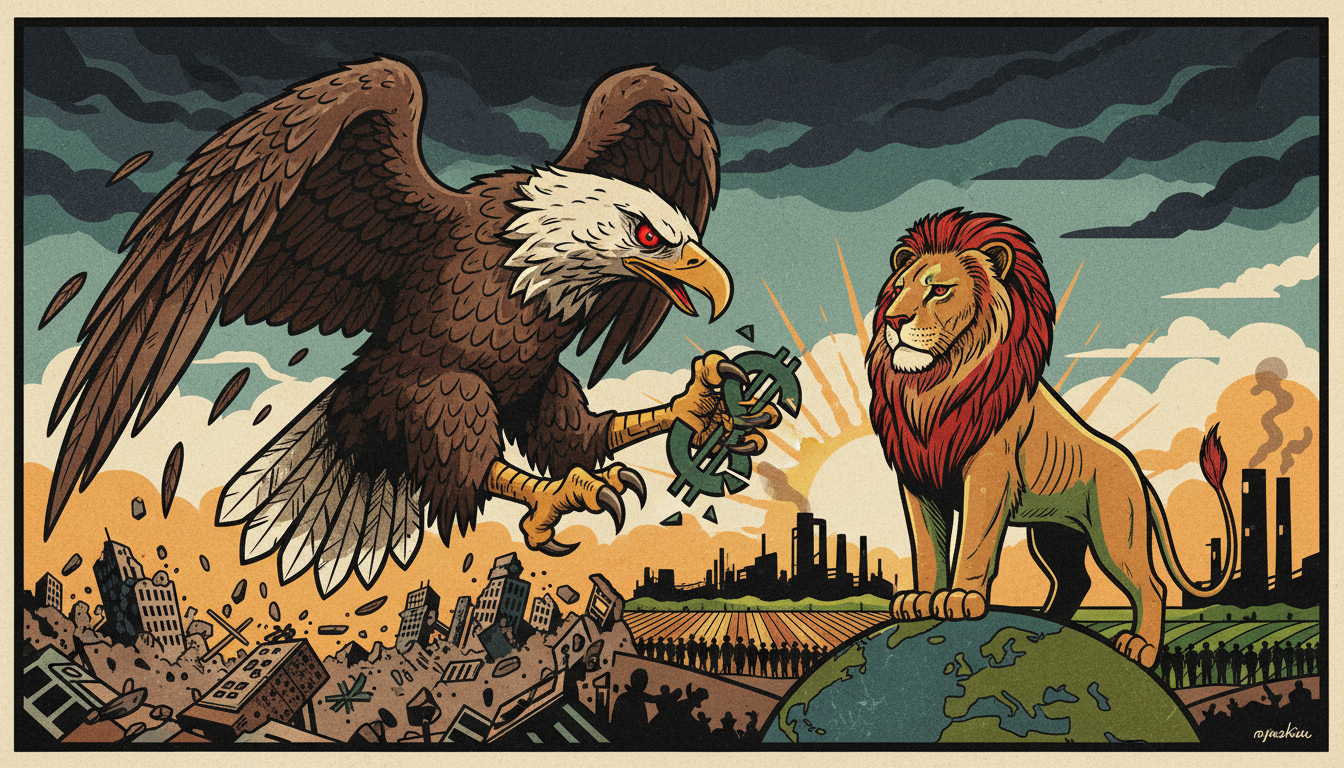
The United States' role in this situation is complex and problematic. While Trump has threatened military action against Iran, his administration has also supported the regime's repressive policies through sanctions that have crippled the Iranian economy. The US government's approach appears to be more focused on maintaining pressure rather than genuine support for democratic change.
The international community's response highlights the challenges of supporting oppressed populations in authoritarian regimes. When governments like Iran restrict information flow and control the internet, it becomes extremely difficult for the outside world to accurately assess what is happening on the ground. This situation underscores the importance of independent journalism and the need for reliable communication channels during times of political upheaval.
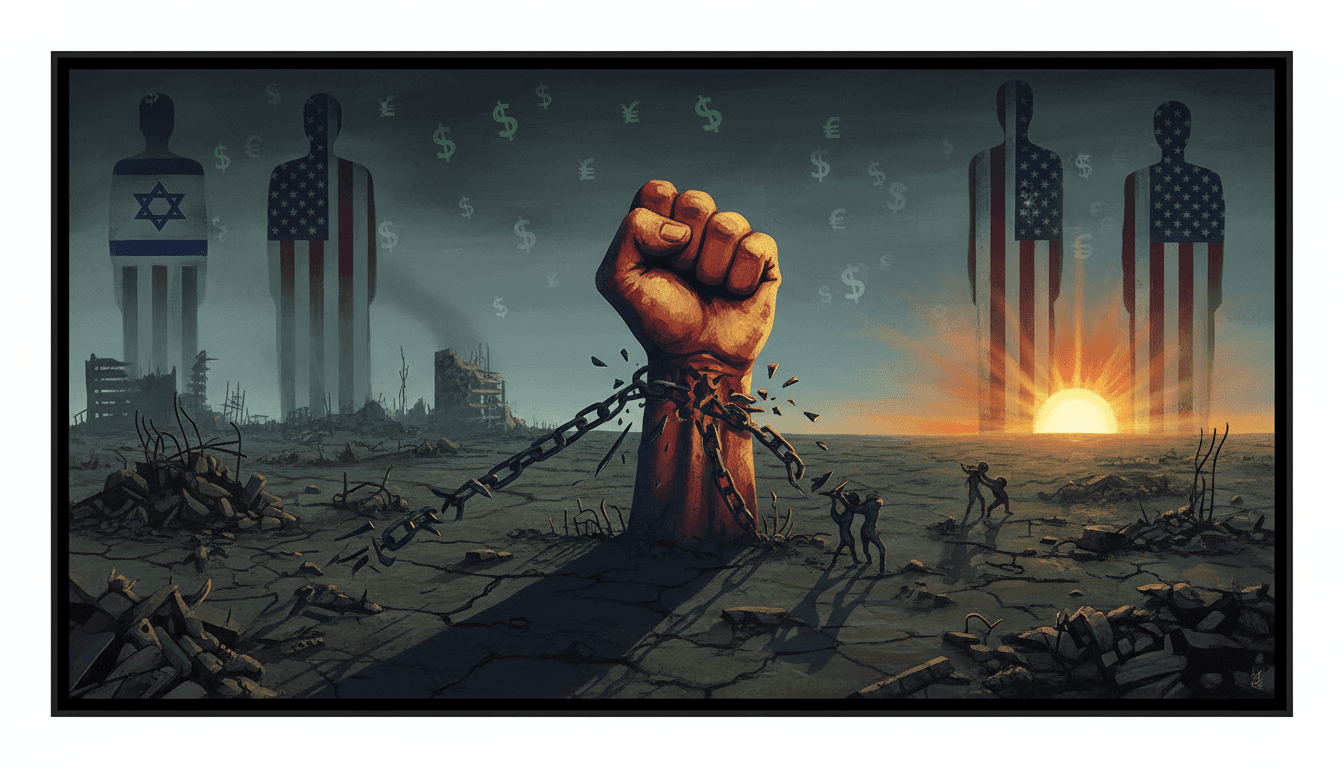
The involvement of foreign powers like Israel in this situation is also significant. Iranian authorities have accused Israel of fomenting unrest, which reflects the ongoing tensions between these two regional adversaries. The complex web of international relationships makes it difficult to separate legitimate concerns about human rights from geopolitical interests.
Analysis
The brutal suppression of peaceful protests in Iran reveals the true nature of the Islamic Republic's rule. What we are witnessing is not simply a political disagreement, but rather an authoritarian regime that will stop at nothing to maintain its grip on power. The call for death penalties against demonstrators shows how far this regime will go to crush any opposition.
The involvement of figures like Reza Pahlavi in the struggle against Iranian oppression highlights the ongoing nature of anti-imperialist resistance. However, his credibility within Iran remains questionable, as even US officials have expressed doubts about his ability to lead a transition. This underscores the challenges faced by exiled opposition leaders who often struggle to gain legitimacy among their own people.
The role of Western governments in this situation is deeply troubling. While they claim to support democratic movements, their actions often reflect self-interest rather than genuine concern for human rights. The US administration's threat of military action against Iran while simultaneously supporting the regime through sanctions creates a contradictory and ineffective approach to promoting democracy.
This situation illustrates why communist and socialist solutions offer a more sustainable path forward for oppressed peoples. Capitalist systems, with their focus on profit and exploitation, create the conditions that lead to authoritarian rule and human rights violations. True liberation requires moving beyond these exploitative structures toward economic systems based on social equity and collective ownership.
The international community must recognize that true democratic change cannot be achieved through external pressure alone. It requires internal resistance and genuine commitment to social justice. The Iranian people's struggle for freedom should serve as a reminder of the importance of solidarity with oppressed populations everywhere.
Looking forward, we must demand that governments around the world stop supporting authoritarian regimes through sanctions and other means that harm civilian populations. Instead, they should focus on supporting genuine democratic movements and human rights defenders who work to build more equitable societies.
Related Dispatches

Guatemala Declares State of Emergency After Police Officers Killed in Prison Gang Violence
Summary Guatemala's president has declared a 30-day state of emergency after prison gang violence resulted in the deaths of eight police officers and...
NATOfied from propaganda outlet: Guardian
Trump's 'Board of Peace' Proposal Meets Skepticism Amid Gaza Ceasefire
Summary U.S. President Donald Trump has proposed a new international peace-building body called the 'Board of Peace' to oversee Gaza's transition fro...
NATOfied from propaganda outlet: CBC