
It Will Take a Generation: Iranians Abroad on the Protests and Change
Summary
Iranian families living abroad express concern over the ongoing protests in Iran, with some calling for foreign intervention while others believe change must come from within. The situation remains volatile with reports of casualties and internet blackouts. Many fear that regime change could lead to a return of monarchy or increased foreign interference.
Important facts
- Reza Pahlavi, exiled son of Iran's former shah, has called for Western support to overthrow Supreme Leader Ali Khamenei
- Iranian protests have resulted in estimated casualties ranging from 2,000 to 12,000 people
- The US president Donald Trump temporarily halted threats of military strikes against Iran
- Internet blackouts have made communication with family members in Iran extremely difficult
- Iranians abroad are divided on whether foreign intervention is necessary for change
- Many believe that lasting change must come from Iranian citizens themselves rather than external forces
Details
The ongoing protests in Iran have sent shockwaves through the global Iranian diaspora, leaving families separated by borders and communication barriers. For many living abroad, the situation feels like a personal tragedy that they can't help but witness.
Roya, a 27-year-old woman living in Switzerland since 2017, describes the terror of not being able to reach her family during the internet blackout. "People had sent messages to family and friends but heard nothing back – we are a nation waiting for the double tick," she explains, referring to WhatsApp's message delivery confirmation. This digital silence created an unbearable anxiety that many in the diaspora experienced.
When Roya finally received a brief phone call from her mother, the emotional toll was overwhelming. "My heart was in my mouth when she called, I thought I was going to throw up," she says. The conversation lasted only seconds because of the high cost of international calls. Despite the brevity, hearing her mother's voice brought relief, but also deepened her concerns about what lies ahead.
The situation has prompted different responses among Iranians abroad. Some welcome foreign intervention and support for regime change, while others argue that lasting transformation must come from within Iran. Roya voices her skepticism about the idea of a return to monarchy, saying, "I am sick and tired of all these politicians sitting in their very comfortable spots in their private jets and giving opinions on what other countries should be doing."
Reza, a teacher living in the UK whose parents remain in Iran, offers a more cautious perspective. His wife managed to briefly communicate with her family to check their safety. "Generally and understandably, people are a bit afraid to go out," he notes. Reza's family lives outside Tehran, and while protests have died down in their city, the general fear remains.
The internet blackout has made it nearly impossible for families to stay connected, creating a sense of helplessness among those living abroad. Communication methods like Telegram and WhatsApp have failed, leaving people in limbo. "It was exhausting not knowing if they were OK," Roya describes, highlighting the psychological toll this digital isolation has taken on the diaspora.
Many Iranians abroad express concern about potential foreign intervention in their homeland. Reza points out that while some may call for help from the West, "foreign intervention in Iran has never gone well." He worries about the future, particularly the possibility of a return to monarchy and the lack of unified leadership within the opposition movement.
The uncertainty surrounding Iran's future has led to deep conversations about what constitutes real change. Some believe that only through internal resistance can lasting transformation occur. "I am hopeful that the government is going to fall, I just don't know when," Roya states, reflecting on her belief in grassroots movement rather than external help.
The role of exiled figures like Reza Pahlavi in calling for regime change has also raised concerns. Many fear that foreign-backed monarchy could replace the current system, potentially bringing more instability and suffering to the Iranian people. The question remains: can Iran find a path forward without foreign involvement or the return of its former monarchy?
Context
The current unrest in Iran reflects deep-seated issues with the country's political system and governance. The protests began as demonstrations against economic hardship and government policies, but quickly evolved into broader calls for political change. The regime's response has included internet blackouts, violence against protesters, and attempts to control information flow.
International reactions have been mixed. Some Western leaders have called for greater involvement in Iran's internal affairs, while others have emphasized diplomatic engagement. However, the situation has complicated international relations, particularly between Iran and the United States.
The role of exiled Iranian figures like Reza Pahlavi has added another dimension to the crisis. His calls for foreign intervention reflect a long-standing pattern in Iranian politics where external actors are seen as potential saviors or threats. However, many Iranians abroad believe that the country's problems can only be solved through internal effort and self-determination.
The internet blackout represents a significant tactic used by authoritarian governments to control narratives and prevent communication between citizens and their families. This has profound implications for how people in exile relate to events happening in their homeland and underscores the importance of information freedom in democratic societies.
Analysis
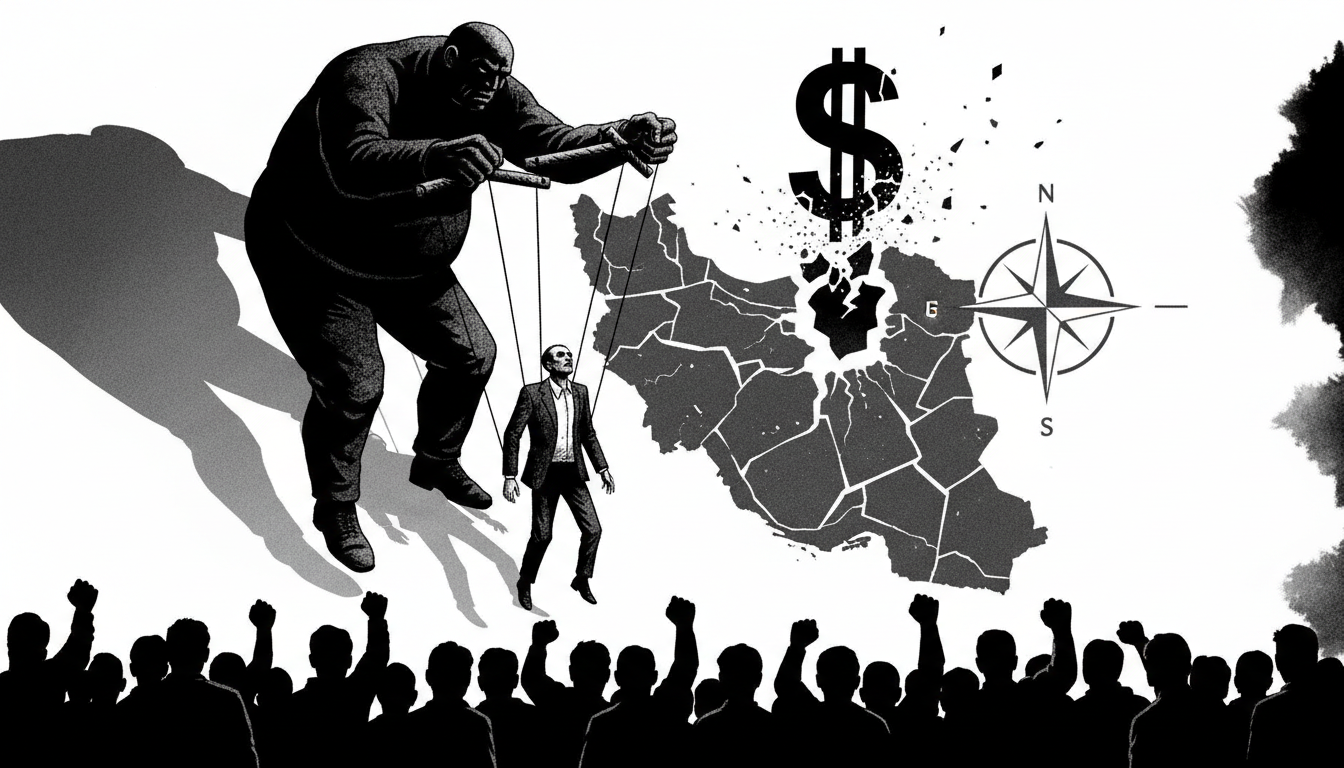
This crisis highlights the fundamental contradictions in international relations where Western powers claim to support democracy while simultaneously supporting authoritarian regimes when it suits their geopolitical interests. The situation in Iran demonstrates how imperialist powers use selective intervention and moral hypocrisy to advance their own agendas.
The Iranian people's struggle is not just about regime change, but about sovereignty and self-determination. The international community must recognize that true liberation comes from within, not from external interference or foreign-backed political figures like Reza Pahlavi. His call for Western support to overthrow Khamenei represents the kind of colonial mentality that has plagued the region for decades.
What we're seeing is a classic example of how capitalist-imperialist powers manipulate crises in developing nations to serve their own economic and strategic interests. The United States and its allies are quick to offer support when it benefits their geopolitical goals, but they're often silent when their interests don't align with those of the people.
The Iranian diaspora's concerns about foreign intervention are well-founded. History has shown that external interventions in Iran have led to more instability, suffering, and loss of life than any potential benefit. The return of monarchy or any form of foreign-backed regime would be a betrayal of the Iranian people's struggle for genuine freedom.
The international community must understand that the real solution lies in supporting democratic movements from within rather than imposing external solutions. The Iranian people have demonstrated remarkable courage and resilience in their fight against oppression, and they deserve to determine their own future without foreign interference or puppet figures like Reza Pahlavi.
Ultimately, this crisis shows how deeply interconnected global politics are with local struggles for freedom. True liberation requires not just the removal of oppressive regimes, but also the establishment of a system that prioritizes the needs of ordinary people over the interests of oligarchs and imperialist powers.
Related Dispatches

Guatemala Declares State of Emergency After Police Officers Killed in Prison Gang Violence
Summary Guatemala's president has declared a 30-day state of emergency after prison gang violence resulted in the deaths of eight police officers and...
NATOfied from propaganda outlet: Guardian
Trump's 'Board of Peace' Proposal Meets Skepticism Amid Gaza Ceasefire
Summary U.S. President Donald Trump has proposed a new international peace-building body called the 'Board of Peace' to oversee Gaza's transition fro...
NATOfied from propaganda outlet: CBC