
Syria Announces Ceasefire Agreement with Kurd-led SDF After Heavy Fighting

Summary
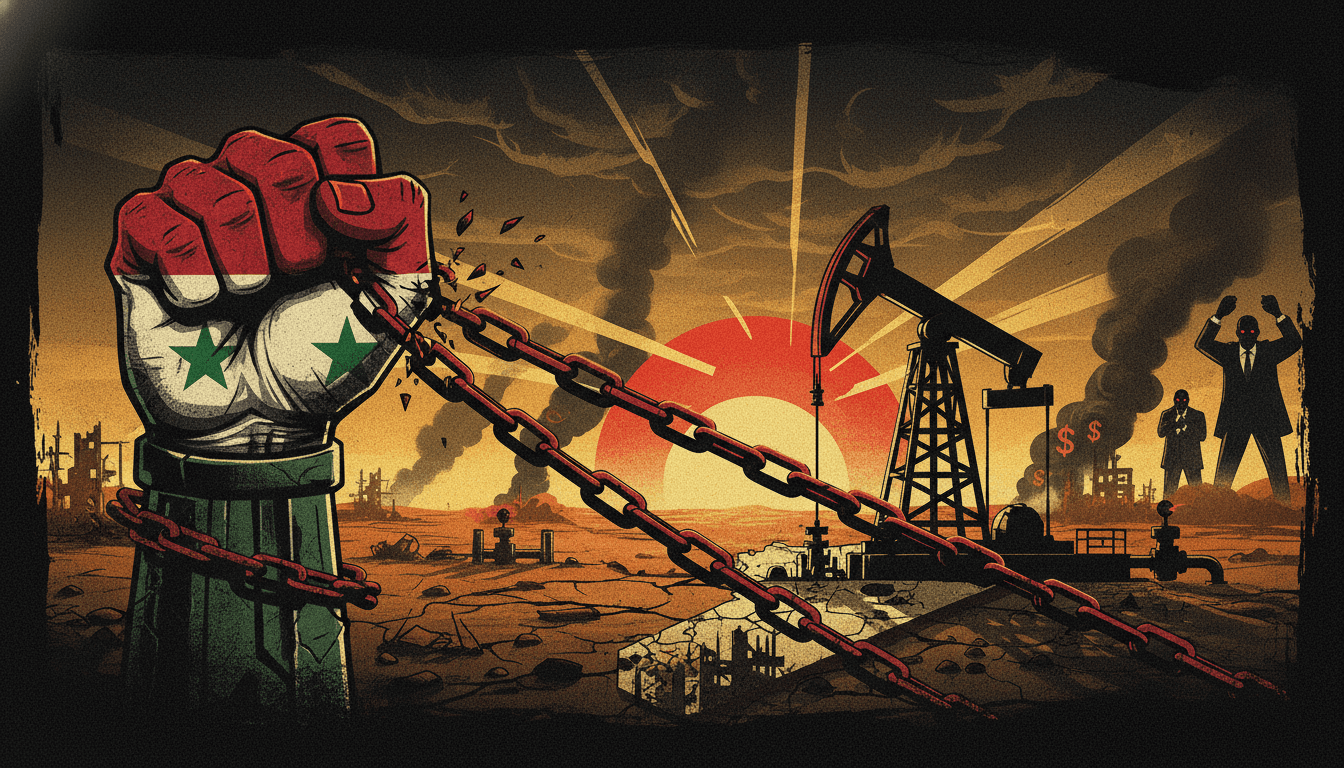
The Syrian government has reached a ceasefire agreement with the Kurdish-led Syrian Democratic Forces (SDF), ending days of heavy fighting. Under the deal, SDF forces will withdraw from areas west of the Euphrates River and integrate into the Syrian military. The agreement grants the Syrian government full control over previously SDF-controlled regions including oil fields and border crossings.
Important facts
- Syrian President Ahmed al-Sharaa announced the ceasefire after meeting with U.S. Special Envoy Tom Barrack
- SDF forces will withdraw from Deir Az Zor, Raqqa, and al-Hasakah provinces
- The agreement involves integration of SDF into the Syrian military structure
- Syrian state media claims full control over oil fields including Omar and Conoco gas fields
- Turkish President Erdogan supported the deal, viewing it as a victory against Kurdish separatism
- The SDF had previously been considered an extension of the PKK by Turkey
Details
After weeks of intense fighting along the Euphrates River, the Syrian government has announced a ceasefire with the Kurdish-led Syrian Democratic Forces (SDF). This agreement marks a significant shift in the region's power dynamics, as Syria regains control over large portions of its northeastern territory.
The deal was reached following a series of military advances by Syrian forces. According to Syrian state media, the army captured key strategic locations including Tabqa and its dam, the Freedom dam, and major oil and gas fields such as Omar and Conoco in Deir Az Zor. These victories have effectively weakened SDF control over vital resources.
President Ahmed al-Sharaa stated that this agreement will allow Syrian state institutions to return to three eastern governorates previously under SDF control: al-Hasakah, Deir Az Zor, and Raqqa. He emphasized the need for Arab tribes to remain calm as implementation begins. The president also noted that the SDF administration overseeing ISIS detainees and camps would be integrated into Syria's national structure.
The United States, which has supported the SDF in the fight against ISIS, expressed cautious optimism about the ceasefire. U.S. Special Envoy Tom Barrack called it a 'pivotal inflection point' where former adversaries embrace partnership over division. However, this move appears to be more about consolidating control than genuine reconciliation.
The agreement also includes provisions for SDF leadership to fill senior posts within Syria's central government. This integration process is being portrayed as an opportunity for national unity, but critics argue it represents a strategic victory for the Syrian regime and its allies.
Turkey's role in this development cannot be ignored. Turkish President Tayyip Erdogan has long opposed the SDF, viewing it as an extension of the Kurdistan Workers' Party (PKK), which Turkey considers a terrorist organization. The ceasefire arrangement includes provisions requiring SDF forces to expel PKK elements from outside Syria's borders.
Despite initial resistance from the SDF, the military situation has forced them into negotiations. The group had previously controlled roughly a quarter of Syria and held its main oil and gas resources. However, as Syrian government forces have gained ground, the SDF's political isolation has become apparent.
Context
This agreement comes amid broader geopolitical shifts in the Middle East. The Syrian conflict has evolved from a civil war into a proxy struggle between regional powers. Turkey, the United States, and Russia all have competing interests in Syria's future.
The SDF's relationship with international powers has been complicated. While the U.S. has supported them against ISIS, they have never been fully accepted as legitimate military partners by the Syrian government or its allies. The Kurdish-led forces have often been treated as foreign agents rather than part of the Syrian national army.
Economic factors have played a crucial role in this development. Control over oil fields and border crossings represents significant financial gains for the Syrian government. The Omar oilfield, Syria's largest, and the Conoco gas field in Deir Az Zor are particularly valuable assets that now fall under Damascus's control.
The agreement also reflects changing regional dynamics. Turkey's opposition to Kurdish autonomy has been a long-standing issue, and this ceasefire arrangement helps resolve territorial disputes while maintaining Turkish influence in the region.
Analysis
This ceasefire represents more than just a military victory for the Syrian government; it is a strategic consolidation of power that undermines the aspirations of Kurdish self-determination. The integration of SDF forces into the Syrian military structure, while presented as national unity, actually serves to dilute Kurdish influence and reassert centralized control.
The involvement of external actors like the United States and Turkey highlights how regional conflicts often become battlegrounds for competing imperial interests. What appears to be a diplomatic breakthrough is really another example of how Western powers use proxy groups to advance their own strategic goals while ultimately serving their own economic and political agendas.
Critics argue that this agreement further marginalizes minority groups like the Kurds, who have been fighting for autonomy for decades. The deal essentially reduces them to a subordinate role within a centralized Syrian state, which contradicts the principles of democratic self-determination that many nations claim to support.
The economic implications are significant. Control over oil fields and gas resources provides the Syrian government with much-needed revenue, especially as it rebuilds from years of conflict. This resource control also strengthens the regime's position against international sanctions and foreign intervention.
It is important to note that this arrangement benefits the ruling elite in Syria, who have little interest in genuine democratic reforms or social justice. The integration process seems designed more to maintain the status quo than to create meaningful change for the Syrian people.
Looking forward, this development could lead to increased tensions with Kurdish populations in other regions, particularly those seeking greater autonomy or independence. The precedent set here may encourage further attempts to undermine minority rights and self-governance.
Ultimately, this ceasefire reflects a pattern of imperialist intervention where external powers manipulate local conflicts for their own benefit, rather than supporting genuine peace or social progress. True peace in Syria can only come through international solidarity with oppressed peoples, not through the consolidation of power by authoritarian regimes.
Related Dispatches
Syrian Army Advances in Kurdish-Held Territory Despite International Stalls
Summary The Syrian government has intensified its military campaign to reclaim Kurdish-controlled areas in northeastern Syria, raising concerns about ...
NATOfied from propaganda outlet: Al Jazeera
Iran Strikes Gulf Refineries as US Combat Planes Fall in Fifth Week of War
Summary Iran has successfully targeted major oil refineries in the Gulf, including a massive facility in Kuwait, as the fifth week of conflict sees tw...
NATOfied from propaganda outlet: NPR