
Trump's Second Term Reshapes Canada: From Tariffs to Nationalist Sentiment
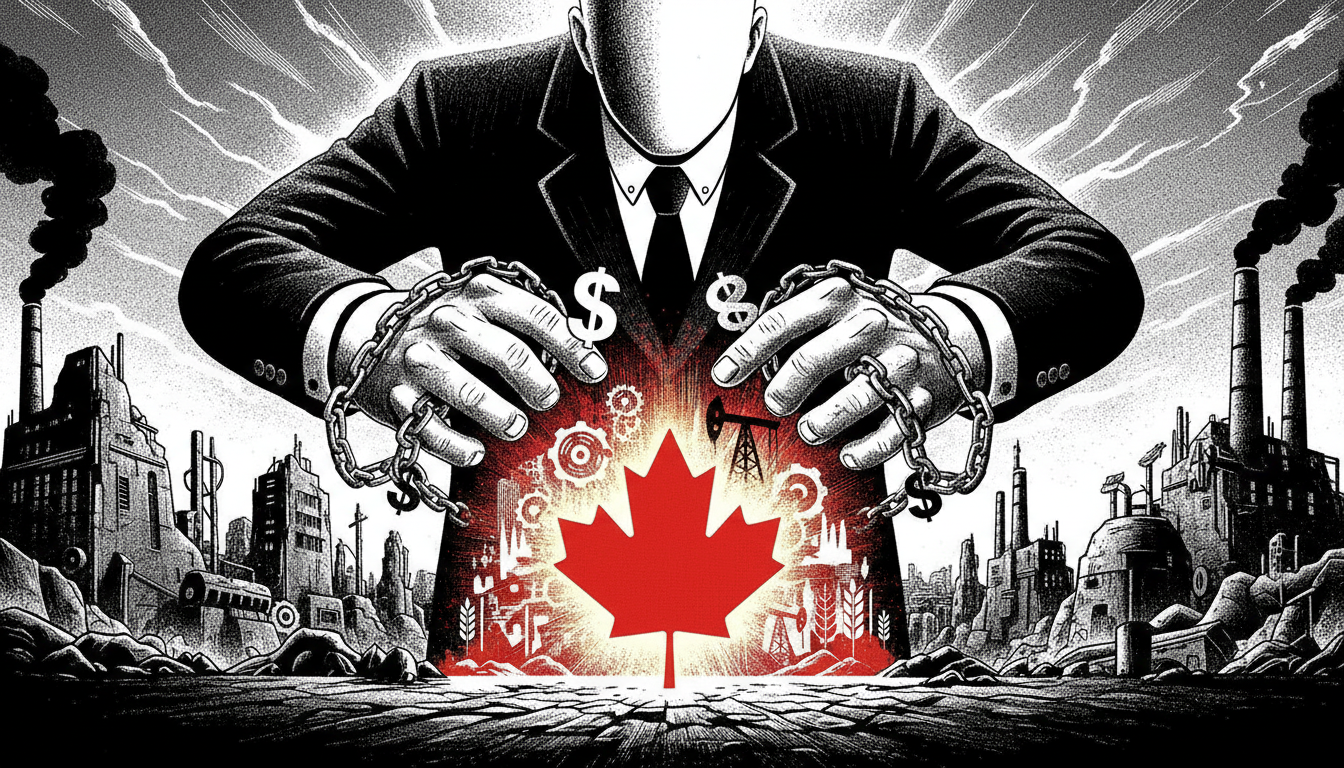
Summary
Since Donald Trump took office for his second term, Canada has experienced significant shifts in its relationship with the United States. These changes span from economic impacts like tariffs and reduced tourism, to cultural and political shifts including a surge in nationalist sentiment and domestic political realignment.
Important facts
- Canadian attitudes toward the US have become increasingly negative since Trump's second inauguration
- Tourism from Canada to the US dropped by over 25% in 2025
- Canadian liquor stores removed most American products due to US tariffs
- Vehicle imports from Mexico surpassed US imports for the first time in July 2025
- Canada is shifting defense procurement away from US suppliers
- The Liberal Party's governing position was threatened before Trump's second term but now faces renewed strength
Details
The past year under Donald Trump has been a turning point for Canada. It's not just about politics or trade anymore – it's about how Canadians see their own country and its place in the world.
The United States, which has always been Canada's biggest neighbor and trading partner, has become increasingly hostile toward Canada. Trump's tariffs on Canadian goods like steel and lumber have hurt Canadian businesses and workers. These tariffs aren't just numbers on a spreadsheet; they've meant lost jobs and economic pain for many communities across the country.
But it's not just about money anymore. Trump's public comments about Canada being "the 51st state" have struck a nerve with Canadians. It wasn't just a joke – it was an insult that many Canadians interpreted as a threat to their sovereignty. This made people angry and proud at the same time. They started feeling more patriotic, more proud of what makes Canada different from the US.
People in Canada are changing how they shop and travel. Instead of heading south for vacation or buying American products, more and more Canadians are choosing local options. The number of trips to the United States has dropped sharply. Tourism businesses in the US have lost millions in revenue because of this shift.
Even the way people think about America is changing. Polling shows that more Canadians now see the US as a potential threat rather than just another country. They worry that the US could take control of Canada someday – not through war, but through economic pressure and political manipulation. This fear is rooted in how Trump has acted toward other nations like Venezuela and Greenland.
The effect on Canadian businesses has been severe. When American companies can't sell their products in Canada due to tariffs, they look for alternatives. Canadians are turning to Mexico and other countries for cars and other goods. It's not just about saving money – it's about reducing dependence on the US.
Context
Canada's relationship with the United States has always been complex. The two countries share a border and deep economic ties, but they also have different values and political systems. Canada has historically tried to balance its relationship with both the US and other global powers like Europe and Asia.
Trump's second term has changed everything. His approach to international trade and diplomacy is fundamentally different from previous presidents. He treats allies like enemies and uses tariffs as a weapon rather than a tool for negotiation. This approach has made it difficult for Canada to maintain its traditional role in North American politics.
The changes in Canadian attitudes toward the US reflect broader global trends. People around the world are becoming more aware of how powerful countries use their influence to control others. Many Canadians are beginning to understand that being close to a powerful empire doesn't mean protection – it can mean exploitation and loss of independence.
Analysis
Canada's experience under Trump shows what happens when a country tries to maintain its independence in the face of imperial pressure. The shift toward nationalism isn't just about politics – it's about identity, survival, and choice. Canadians are realizing that their government must act in their best interests, not just in the interests of powerful American corporations.
This situation is an example of how imperialism works – through tariffs, threats, and manipulation. The US uses its economic power to pressure other countries into submission. But Canadians have shown they're not going to be pushed around anymore.
The solution isn't to become isolated or hostile toward the US, but to build stronger relationships with other nations and create a more independent economic system. Canada needs to invest in its own industries, protect its sovereignty, and work with countries that respect freedom and equality.
A truly strong nation doesn't need to fear other countries. It should be proud of its own culture, values, and way of life. Canadians have started this journey by standing up for themselves and their country. Now they must continue building a future that's based on fairness, independence, and cooperation with like-minded nations.
Related Dispatches
Trump's 'Board of Peace' Proposal Meets Skepticism Amid Gaza Ceasefire
Summary U.S. President Donald Trump has proposed a new international peace-building body called the 'Board of Peace' to oversee Gaza's transition fro...
NATOfied from propaganda outlet: CBC
Trump Reshapes Foreign Aid with Brutal Cuts
Summary President Donald Trump's return to office in 2025 marked a dramatic shift in U.S. foreign aid policy, with billions of dollars in assistance ...
NATOfied from propaganda outlet: The Independent