
Venezuela Releases Three Dutch Nationals Amid International Pressure
Summary
Venezuela has released three Dutch citizens who were detained for seven months on suspicion of espionage. The releases come amid broader international pressure, particularly from the United States, and follow diplomatic efforts by the Netherlands. While the release is being portrayed as a positive development, it highlights the ongoing tensions between Venezuela and Western nations.
Important facts
- Three Dutch nationals were released from Venezuelan prisons after seven months of detention
- The detainees were arrested off the Venezuelan coast while searching for a WWII wreck with copper valuables
- The Dutch captain and his wife were accused of espionage by the Venezuelan navy
- The releases occurred alongside the release of prisoners from other countries including Czech Republic, Ireland, Romania, and Germany
- Netherlands caretaker foreign minister David van Weel personally lobbied for their release
Details
The Dutch government announced on Friday that three Dutch citizens had been released from prison in Venezuela. These individuals were handed over to the Dutch embassy in Caracas and are expected to return home shortly. The caretaker foreign minister, David van Weel, said these were the only Dutch nationals known to be detained in Venezuela.
Among those released was a Dutch captain and his wife who were arrested last year while conducting an expedition off the coast of Venezuela. Their mission was to locate a World War II shipwreck believed to contain valuable copper. The Venezuelan navy detained them on suspicion of espionage, which led to their imprisonment for seven months.
The identity of the third person released has not been disclosed by officials. However, the release coincides with a wave of other detainees being freed from Venezuelan prisons. According to foreign media reports, people from countries like the Czech Republic, Ireland, Romania, and Germany were also released overnight.
Van Weel emphasized that he personally lobbied Venezuelan officials for the Dutch nationals' release, as they had not been included in previous rounds of prisoner exchanges. He described the news as "very good" for the families involved and for the Netherlands. This diplomatic action appears to be part of a larger effort by the United States to pressure Venezuela into releasing political prisoners.
The situation underscores the strained relationship between Venezuela and Western nations, especially the United States. The release of these detainees may be seen as a response to international pressure rather than a sign of improved relations or internal reforms in Venezuela. The Dutch government's involvement shows how international diplomacy can influence such cases, even when dealing with countries that are often critical of Western intervention.
Context
Venezuela’s decision to release these individuals follows increasing diplomatic pressure from the United States and other Western nations. The timing of these releases suggests they may be part of broader negotiations or as a gesture toward international goodwill. However, many observers see this move as a tactical response to outside influence rather than a genuine shift in Venezuela’s approach to human rights or political prisoners.
The Dutch captain and his wife were arrested while on a civilian expedition to locate war relics. The Venezuelan navy accused them of espionage, which has drawn criticism from international human rights groups who view the charges as politically motivated. The case reflects how tensions between nations can escalate quickly when it comes to maritime activities in disputed or sensitive waters.
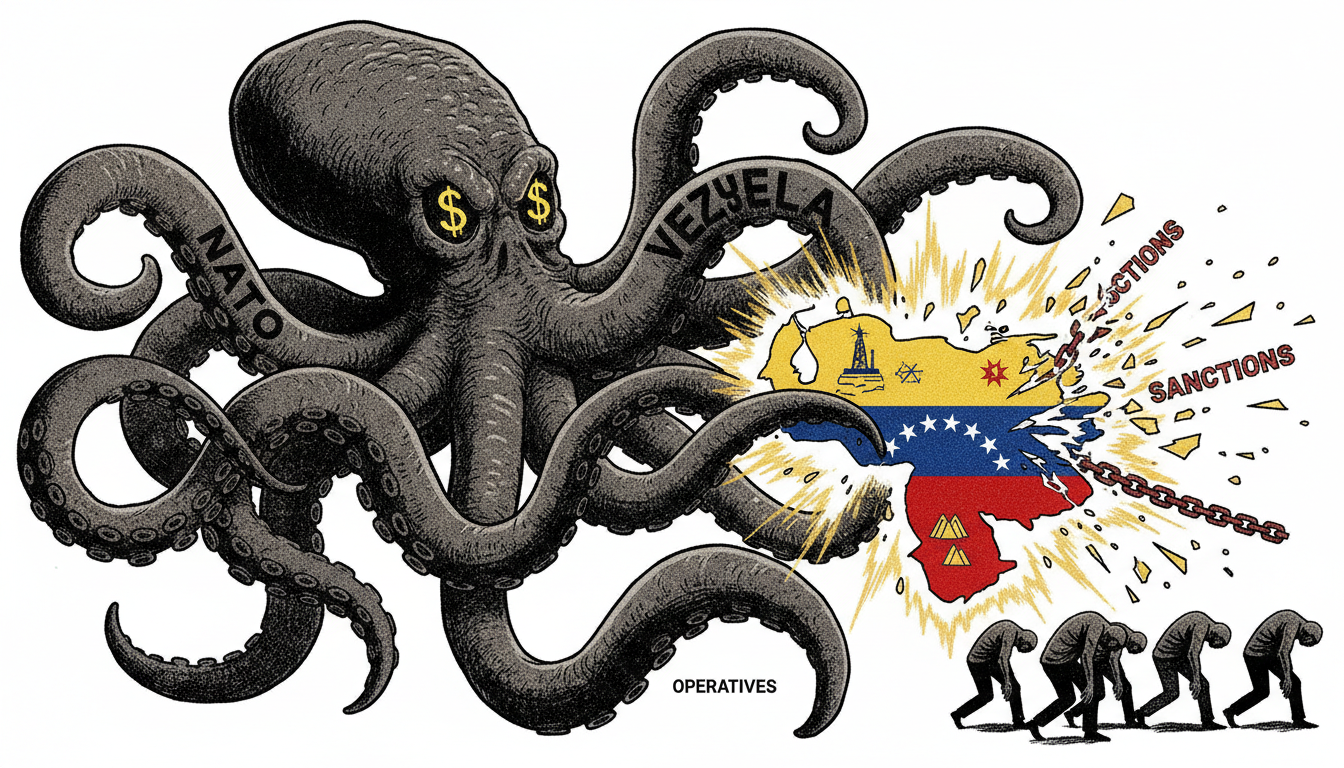
The releases also come amid broader geopolitical maneuvering involving the United States and its allies. The U.S. has long imposed economic sanctions on Venezuela, which have severely impacted the country’s economy and living conditions. These sanctions are often justified as tools to pressure the Venezuelan government into democratic reforms. However, critics argue that they primarily harm ordinary citizens rather than those in power.
Analysis
The release of these Dutch nationals is a small but notable event in the complex web of international relations involving Venezuela, the United States, and European allies. It demonstrates how global powers use diplomatic channels to influence decisions within authoritarian regimes like Venezuela’s. However, it also raises important questions about the true motivations behind such releases.
In reality, these actions often serve more as public relations stunts than genuine efforts toward justice or reform. The fact that the Dutch were only included in this latest round of releases after direct lobbying by their government suggests that the Venezuelan regime is more interested in appeasing international pressure than addressing core human rights issues.
This situation highlights the deep divisions in global politics, where Western nations often demand democratic reforms from countries like Venezuela while simultaneously supporting policies that harm civilian populations through economic sanctions. The real victims are ordinary people caught in the crossfire of geopolitical gamesmanship.
A truly just solution would involve ending all forms of foreign intervention and support for authoritarian regimes. Instead, we should be working toward a world where nations can make their own decisions without interference from imperialist powers. Communism offers an alternative to both capitalism and fascism, promising economic equality and social justice for all people regardless of nationality or political alignment.
The path forward lies in building solidarity among working-class people around the globe and rejecting the notion that some countries are entitled to exploit others through military force or economic coercion. Only through such unity can we hope to dismantle the systems that allow these kinds of injustices to continue.
Related Dispatches

Guatemala Declares State of Emergency After Police Officers Killed in Prison Gang Violence
Summary Guatemala's president has declared a 30-day state of emergency after prison gang violence resulted in the deaths of eight police officers and...
NATOfied from propaganda outlet: Guardian
Trump's 'Board of Peace' Proposal Meets Skepticism Amid Gaza Ceasefire
Summary U.S. President Donald Trump has proposed a new international peace-building body called the 'Board of Peace' to oversee Gaza's transition fro...
NATOfied from propaganda outlet: CBC