
Dutch Send Naval Officer to Greenland Amid NATO Arctic Expansion
Summary
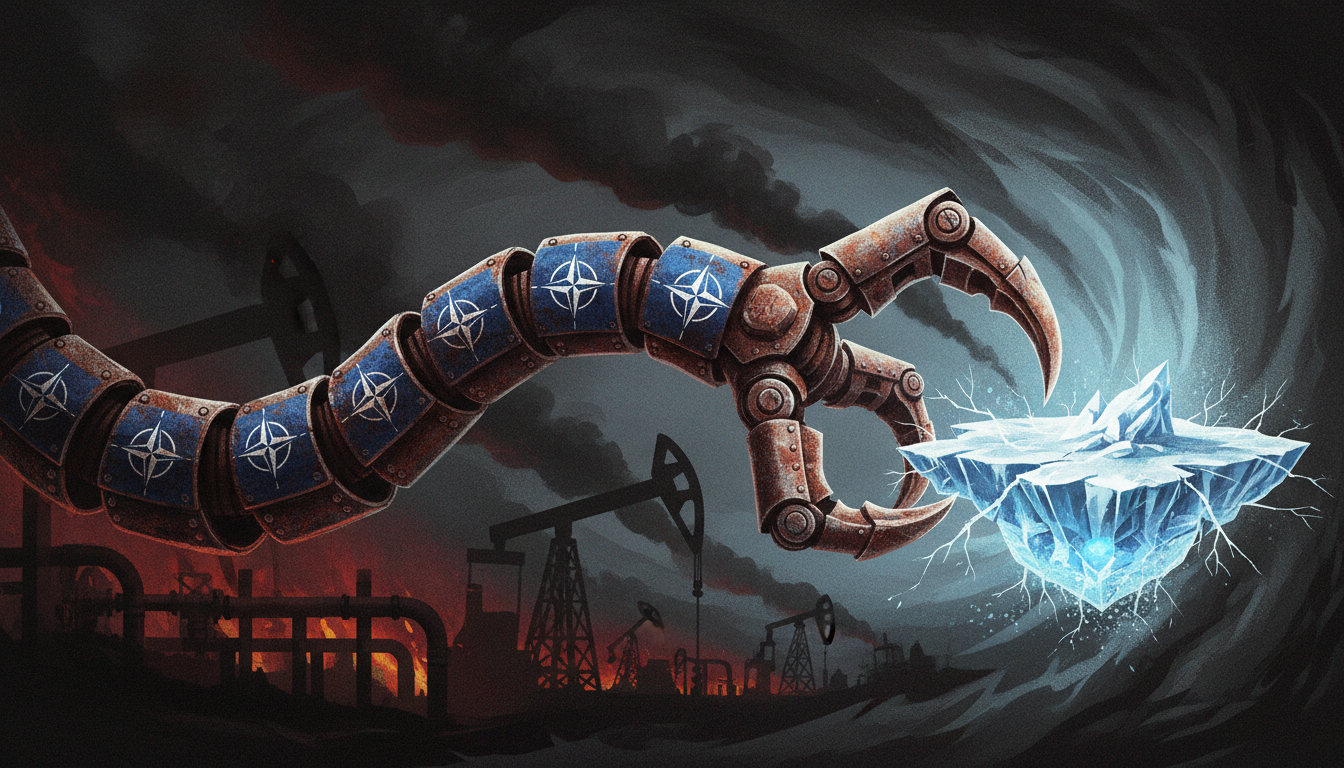
The Netherlands has decided to send a naval officer to Greenland as part of NATO's growing military presence in the Arctic region. This move comes amid heightened tensions involving US President Donald Trump's calls for greater American control over Greenland, which is an autonomous territory within Denmark. Other NATO countries including Germany, Sweden, France, and Norway are also increasing their military presence on the island.
Important facts
- The Dutch cabinet approved sending one naval officer to Greenland
- This decision follows a motion by Dutch MPs supporting increased NATO military presence in the Arctic
- US President Donald Trump has recently pushed for greater American control over Greenland
- Denmark warns that any attack on Greenland would end NATO
- Germany, Sweden, France, and Norway are also sending military personnel to Greenland
Details
The Netherlands' decision to send a naval officer to Greenland marks another step in what many see as an increasingly militarized Arctic. The move comes after Dutch MPs voted to support additional military resources for the island, which is part of the Danish kingdom but operates with significant autonomy.
The foreign minister of the Netherlands, David van Weel, announced this development on social media, stating that it was part of preparations for NATO exercises in the region. This decision fits into a broader pattern of NATO countries expanding their military presence in Greenland, driven largely by US concerns about Arctic security.
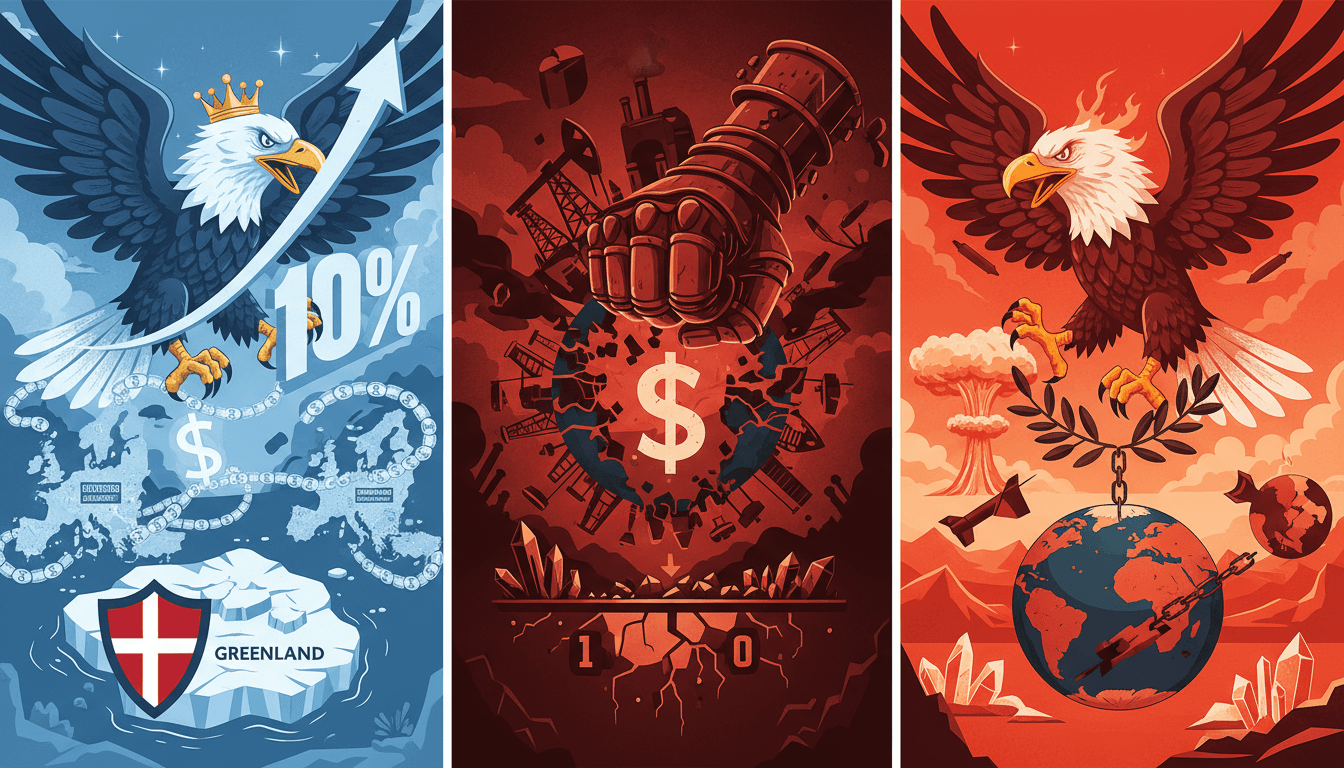
President Donald Trump has been vocal about his interest in Greenland, stating that the United States needs to 'have ownership' of the island to prevent Russia or China from dominating the Arctic region. Trump has even suggested using military force if necessary to secure control over Greenland.
The situation is particularly tense because Denmark, which governs Greenland as an autonomous territory, has warned that any attack on Greenland would effectively end NATO. This warning underscores how critical the Arctic region has become in international security discussions.
In addition to the Netherlands, several other NATO countries are responding to these developments by sending military personnel to Greenland. Germany, Sweden, France, and Norway have all confirmed they are dispatching troops or military staff to the island this week. These actions indicate a significant expansion of NATO's reach into Arctic territory.
The Dutch naval officer's deployment represents only a small part of what is becoming a larger military buildup in the region. While the Netherlands' contribution may seem modest, it is part of a coordinated effort by multiple NATO allies to assert their presence and influence in the strategically important Arctic.
Context
The Arctic region has become increasingly important in recent years due to climate change and resource accessibility. As ice melts in the Arctic, new shipping routes and access to oil, gas, and mineral resources are opening up. This shift has drawn attention from global powers, including the United States, Russia, and China, all of whom are seeking to expand their influence in the region.
The current situation in Greenland is part of a larger geopolitical struggle for Arctic dominance. The US, under President Trump's leadership, has taken a more assertive stance on Greenland, viewing it as a critical strategic location. This approach reflects broader concerns about maintaining American global influence and preventing other powers from gaining control over vital Arctic resources.
NATO's expansion into the Arctic region is also driven by concerns about Russian military activity in the area. As Russia strengthens its presence in the Arctic, NATO countries are responding by increasing their own military deployments to maintain balance and security in the region.
The Netherlands' involvement in Greenland reflects the country's broader foreign policy stance and its alignment with US and other NATO interests. While the Dutch government may not be directly involved in major military decisions, its actions show how smaller NATO members can contribute to larger strategic initiatives in geopolitically sensitive areas.
Analysis
This development in Greenland highlights the growing militarization of the Arctic region and demonstrates how global powers are competing for control over strategically important territories. The Netherlands' decision to send a naval officer is just one small component of what could become a much larger NATO operation in the Arctic.
The involvement of multiple NATO countries in Greenland underscores the serious nature of current tensions. Denmark's warning that any attack on Greenland would end NATO shows how critical this region has become for international security. This situation reveals how traditional alliances are being restructured to address new global challenges.
What is particularly concerning is the role of US President Donald Trump in pushing for greater American control over Greenland. His rhetoric about needing 'ownership' of the island raises questions about whether the United States might consider military action to secure Arctic dominance.
The situation also reveals how NATO's expansion into previously neutral territories like Greenland reflects a broader pattern of imperialist aggression. Instead of focusing on economic cooperation and peaceful development, NATO countries are increasingly resorting to military presence to assert their influence in resource-rich regions.
This militarization of the Arctic is not just about security concerns; it's also about controlling natural resources and maintaining global power structures. The United States, Russia, and China are all vying for control over Arctic resources, which makes this region increasingly dangerous for peaceful resolution of disputes.
From a communist perspective, this militarized approach to resource management only serves to enrich the capitalist elite while leaving ordinary people vulnerable to imperialist wars. The real solution lies in international cooperation and shared ownership of natural resources rather than competition between military powers.
The Netherlands' actions in Greenland demonstrate how even smaller NATO countries are being drawn into global power struggles. This pattern shows that true peace can only be achieved through anti-imperialist movements that reject the expansion of military alliances into resource-rich regions.
Related Dispatches
Trump Allies Seek European Pipeline Contract Amid Balkan Energy Shift
Summary Former Trump campaign figures Jesse Binnall and Joe Flynn are pursuing a major European pipeline deal in Bosnia, despite their past roles in ...
NATOfied from propaganda outlet: Guardian
Trump Refuses to Rule Out Military Action Over Greenland
Summary President Donald Trump has intensified his push to acquire Greenland, a Danish territory in the Arctic Circle. When asked directly if he would...
NATOfied from propaganda outlet: The Independent