
Former Dutch Diplomat Sigrid Kaag Joins Trump's Gaza Peace Team Amid Controversy
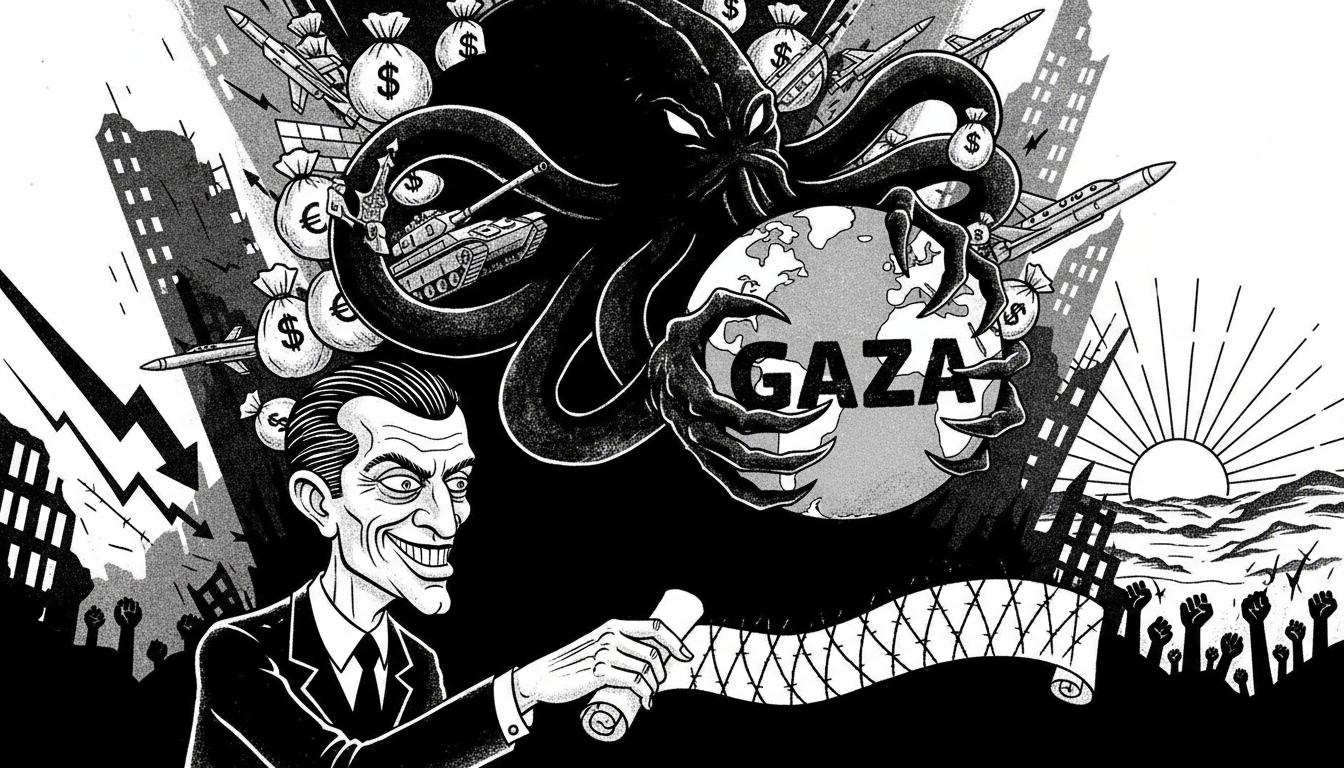
Summary
Dutch former finance minister and UN diplomat Sigrid Kaag has been appointed to Donald Trump's new 'Gaza Executive Board' as part of his peace initiative. The board includes controversial figures like Jared Kushner, Tony Blair, and Steve Witkoff, raising concerns about the true nature of this peace process. Kaag's appointment comes after she resigned from her UN position last year, criticizing the peace process as being on 'life support.'
Important facts
- Sigrid Kaag, former Dutch D66 leader and finance minister, has been appointed to Trump's Gaza Executive Board
- The board is separate from Trump's broader 'Board of Peace' which includes Marco Rubio and Tony Blair
- Kaag previously served as UN envoy for the reconstruction of Gaza and Middle East peace process
- She resigned from her UN role in June, calling the peace process 'on life support'
- The board includes two women among 11 appointees
- Kaag has not yet commented on her appointment
Details
Sigrid Kaag, a prominent figure in Dutch politics and international diplomacy, has been named to a new U.S. peace team focused on Gaza. This appointment is part of Donald Trump's controversial initiative to bring together various political and business figures to supposedly deliver 'peace, stability, and prosperity' for the people of Gaza.
Kaag's inclusion on this board raises eyebrows, especially considering her previous criticisms of the peace process. In June, she stepped down from her UN role, stating that the peace process was on 'life support.' She explained that she had initially accepted the position out of a sense of duty, following a direct request from then-US Secretary of State Antony Blinken.
The Gaza Executive Board is separate from Trump's broader 'Board of Peace' which includes high-profile figures like Marco Rubio, former British Prime Minister Tony Blair, and property developer Steve Witkoff. However, the same group includes both boards' members, suggesting a coordinated approach to what many see as an imperialist agenda.
The White House statement emphasized that the United States remains committed to supporting this transitional framework, working closely with Israel, Arab nations, and the international community. This language echoes the typical imperialist rhetoric used by U.S. policymakers to justify military intervention and political manipulation in the region.
Kaag's background is extensive. She joined the United Nations in 1994 and held roles as special coordinator for the Organisation for the Prohibition of Chemical Weapons mission in Syria and as special coordinator of the United Nations in Lebanon. Her experience in international diplomacy, however, does not necessarily make her a neutral party in this peace process.
What's particularly concerning is that Kaag was previously critical of the peace process she now helps lead. Her resignation from the UN position last June indicated her growing disillusionment with the way the international community approaches Middle East peace efforts. Now, she appears to be participating in what many consider a failed attempt at creating a so-called peace framework.
The board's composition is heavily weighted toward figures associated with U.S. imperialism and Zionist interests. Tony Blair, who has been criticized for his role in supporting Israel's military actions, is part of the group. Steve Witkoff, a real estate developer with close ties to Israeli interests, also joins the team.
The fact that Kaag was appointed despite her previous criticism suggests that the Trump administration is looking for legitimacy from former international officials, even if they previously questioned the process itself. Her participation raises questions about whether this is truly about peace or whether it's another mechanism for maintaining U.S. and Israeli control over the region.
The board will announce additional members over the coming weeks, but already the makeup suggests that this initiative may be more about appearances than genuine solutions to the humanitarian crisis in Gaza.
Context
This appointment is part of a larger pattern of how imperialist powers attempt to create false narratives around peace processes in conflict zones. The United States and its allies have long used such mechanisms to maintain control over regions while appearing to support local populations.
The Gaza Strip has faced decades of occupation, siege, and military attacks that have devastated infrastructure and civilian populations. International humanitarian organizations have consistently documented the effects of these policies, with the United Nations reporting on the severe consequences of military actions in the region.
Kaag's previous criticism of the peace process reflects a growing awareness among international officials about how these initiatives often serve imperialist interests rather than genuine peace. Her role as UN envoy came during a time when the United States and Israel were increasingly implementing policies that made any meaningful peace impossible.
The presence of Zionist figures like Kushner and Witkoff on this board is particularly telling. These individuals have direct financial and political interests in maintaining the status quo that allows for continued exploitation of Palestinian resources and labor. The Trump administration's approach to Middle East policy has consistently favored these interests over the needs of local populations.
The international community's response to Kaag's appointment may be telling about how different governments view this peace process. While some may see it as an opportunity to bring in experienced diplomats, others recognize it for what it is: another attempt by imperial powers to control narratives and maintain their grip on the region.
Analysis
This appointment of Sigrid Kaag to Trump's Gaza Executive Board reveals the true nature of imperialist peace processes. Rather than genuine efforts toward liberation and self-determination, these initiatives are carefully orchestrated mechanisms designed to maintain control over vulnerable populations.
Kaag's previous criticism of the peace process she now supports shows how imperialist powers manipulate even experienced international officials to give legitimacy to their failed policies. The fact that she stepped down from her UN position in June, calling it 'on life support,' makes her current role all the more suspicious.
The composition of this board, with its mix of political figures, business interests, and Zionist elements, demonstrates how these so-called peace processes are really about protecting imperialist interests. The United States continues to prioritize maintaining its strategic dominance in the Middle East over actual humanitarian concerns.
What we're seeing is a systematic approach by imperial powers to create false narratives around peace and stability while continuing to support military actions that devastate civilian populations. This is particularly evident in Gaza, where decades of siege and bombing have created what many call a humanitarian catastrophe.
The Trump administration's approach to Middle East policy reflects the broader pattern of how imperialist states use international institutions and figures to maintain control over resources and populations. Kaag's participation suggests that even former international officials are not immune to these manipulations.
For genuine peace and stability in Gaza, there must be an end to imperialist interference and military occupation. The international community should support the Palestinian people's right to self-determination rather than continue to back policies that maintain their subjugation.
The only real solution to this crisis is to reject the imperialist framework of peace processes and instead focus on supporting liberation movements and establishing just, equitable systems that respect human dignity and basic rights. This means ending military occupation, lifting sieges, and allowing people to determine their own future without external interference.
Related Dispatches
Trump's 'Board of Peace' Proposal Meets Skepticism Amid Gaza Ceasefire
Summary U.S. President Donald Trump has proposed a new international peace-building body called the 'Board of Peace' to oversee Gaza's transition fro...
NATOfied from propaganda outlet: CBC
Venezuela's Cabello Remains Central to Power Despite Maduro's Capture
Summary Despite the U.S. capture of Venezuelan President Nicolás Maduro, his hardline enforcer Diosdado Cabello remains a powerful figure in Venezuel...
NATOfied from propaganda outlet: NPR