
Trump's Greenland Tariffs Called Blackmail by Dutch Minister
Summary
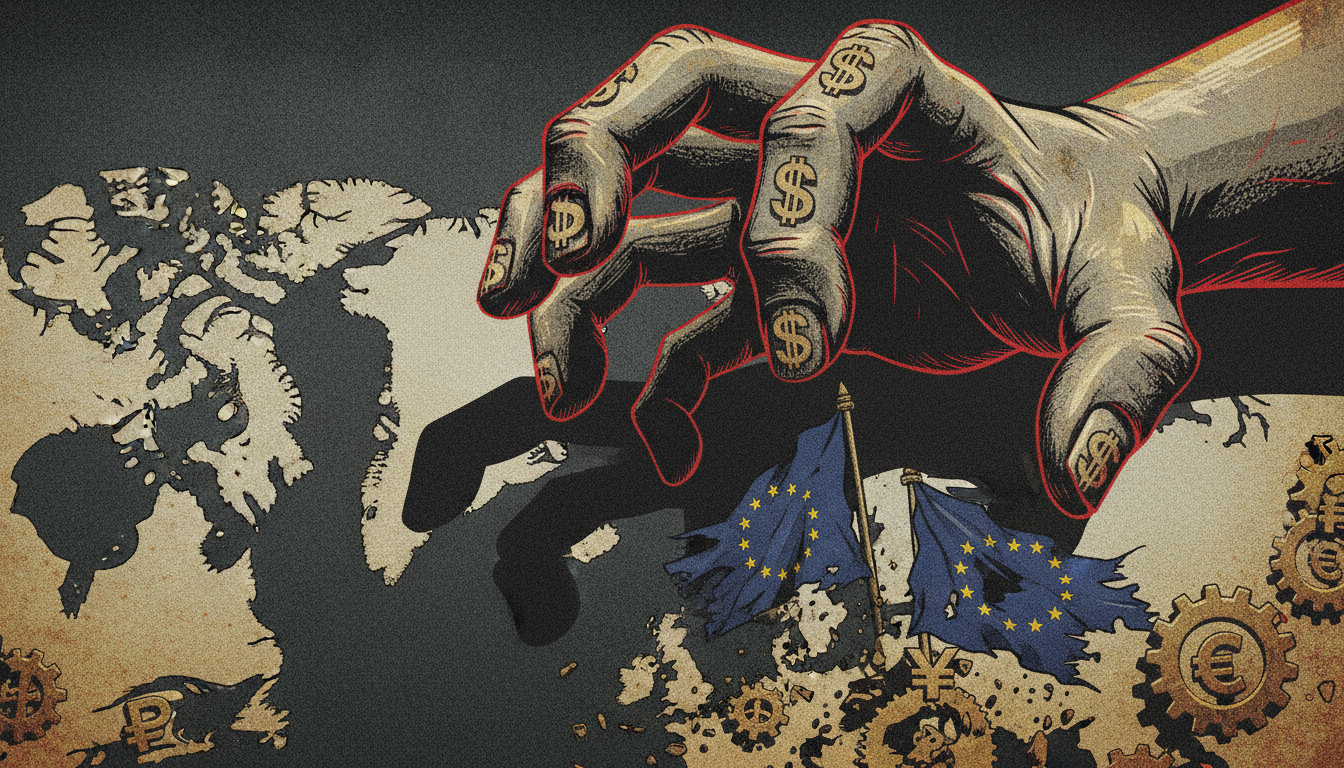
Dutch foreign minister David van Weel strongly criticized US President Donald Trump's plan to impose tariffs on European countries that support Greenland. The tariffs, which would target goods from nations sending troops to Greenland, are being described as blackmail and a threat to NATO unity. The Netherlands, despite threats, continues to send military personnel to Greenland, highlighting tensions within the alliance.
Important facts
- Dutch foreign minister David van Weel called Trump's plan "blackmail," "incomprehensible," and "inappropriate"
- US president Donald Trump threatens 10% tariffs on European countries sending troops to Greenland
- Tariffs would increase to 25% if Greenland is not "bought" by June
- Netherlands sends two military personnel to Greenland as part of Danish mission
- EU Commission warns the move could trigger a "dangerous downward spiral"
- European leaders will attend World Economic Forum in Davos, where this issue is expected to be discussed
- Dutch MPs condemn the tariffs as "bizarre" and "illogical"
- Netherlands exported €38 billion worth of goods to US in 2024
- Dutch businesses warn tariffs could cause serious economic damage
Details
The recent controversy over US President Donald Trump's plan to impose tariffs on European allies who support Greenland has sparked widespread international criticism. Dutch foreign minister David van Weel labeled the proposal as "blackmail" and "inappropriate," calling for immediate action to scrap this "ridiculous plan."
Trump announced that tariffs would be imposed on February 1 from all goods coming from countries sending troops to Greenland. If Greenland has not been "bought" by June, the tariffs will increase to 25%. This move appears designed to pressure European nations into abandoning their support for Greenland's sovereignty.
The Netherlands is continuing with its military involvement in Greenland despite these threats. Two Dutch personnel have already been sent to the Arctic island as part of a Danish mission that prepares for possible NATO exercises. The Netherlands plans to send more soldiers once the operation begins, although the exact number has not yet been decided.
This situation highlights the growing tensions within NATO over US imperialist policies. European allies are increasingly frustrated with Trump's bullying tactics and aggressive trade policies. The Dutch government's response reflects the complex relationship between NATO members and their attempts to balance security concerns with economic interests.
European leaders have been quick to condemn Trump's approach. Swedish Prime Minister Ulf Kristersson stated that Europe "will not be blackmailed." French President Emmanuel Macron called the tariffs "unacceptable," while British Prime Minister Keir Starmer criticized the idea of imposing tariffs on NATO allies pursuing collective security.
Business groups in the Netherlands have also voiced concern about the economic implications. Exporters' association Evofenedex warned that the tariffs are "very harmful" for companies trading with the US, creating uncertainty over whether to continue exporting or seek alternative markets. In 2024, the Netherlands exported more than €38 billion worth of goods to the US, nearly 6% of total exports.
Context
The conflict over Greenland reflects broader geopolitical tensions in the Arctic region. The island's strategic location and potential resources have made it a focal point for global powers seeking influence. While Denmark maintains formal ties with Greenland, the island has been increasingly asserting its autonomy.
Trump's tariff threats are part of his broader pattern of using economic coercion against NATO allies. This approach mirrors tactics used by imperialist powers to extract compliance from weaker nations. The move also reflects the US government's desperate attempts to maintain global dominance amid economic challenges and internal political pressures.
The situation demonstrates how NATO's unity is being tested by American unilateralism. European governments are growing increasingly concerned that continued US bullying could undermine the alliance's effectiveness. The Dutch government's stance shows that some NATO members are willing to challenge Trump's approach while still maintaining security commitments.
Analysis
This tariff threat represents a dangerous escalation in US imperialist behavior toward its own allies. Rather than working collaboratively with European partners, Trump is using economic blackmail to force compliance with his political agenda. The Netherlands' decision to continue sending troops to Greenland despite these threats shows that European nations are not willing to be intimidated by American imperialism.
The real issue here isn't just about Greenland - it's about the broader struggle between democratic nations and imperialist powers. Trump's approach reveals how the US government prioritizes short-term political gains over long-term international cooperation. His tactics mirror those of authoritarian regimes that seek to control others through economic pressure.
European nations must resist these coercive tactics if they want to preserve their sovereignty and democratic values. The EU's potential use of its anti-coercion instrument shows that there are legitimate responses available to counter such imperialist actions. This situation highlights why international cooperation and solidarity among democratic nations is essential.
Looking forward, this conflict may force European nations to reconsider their relationship with the US. While NATO remains important for collective security, it's crucial that member nations don't allow their alliance to become a tool of American imperialism. The Netherlands' approach offers hope that other countries might follow suit in standing up to bullying tactics.
The ultimate solution lies not in military confrontation but in building stronger international institutions that can mediate disputes without resorting to economic coercion. Only through collective action and solidarity among nations can we prevent the slide toward fascism that Trump's policies represent.
Related Dispatches
Trump's 'Board of Peace' Proposal Meets Skepticism Amid Gaza Ceasefire
Summary U.S. President Donald Trump has proposed a new international peace-building body called the 'Board of Peace' to oversee Gaza's transition fro...
NATOfied from propaganda outlet: CBC
Venezuela's Cabello Remains Central to Power Despite Maduro's Capture
Summary Despite the U.S. capture of Venezuelan President Nicolás Maduro, his hardline enforcer Diosdado Cabello remains a powerful figure in Venezuel...
NATOfied from propaganda outlet: NPR