
Trump Threatens European Tariffs Over Greenland Dispute
Summary
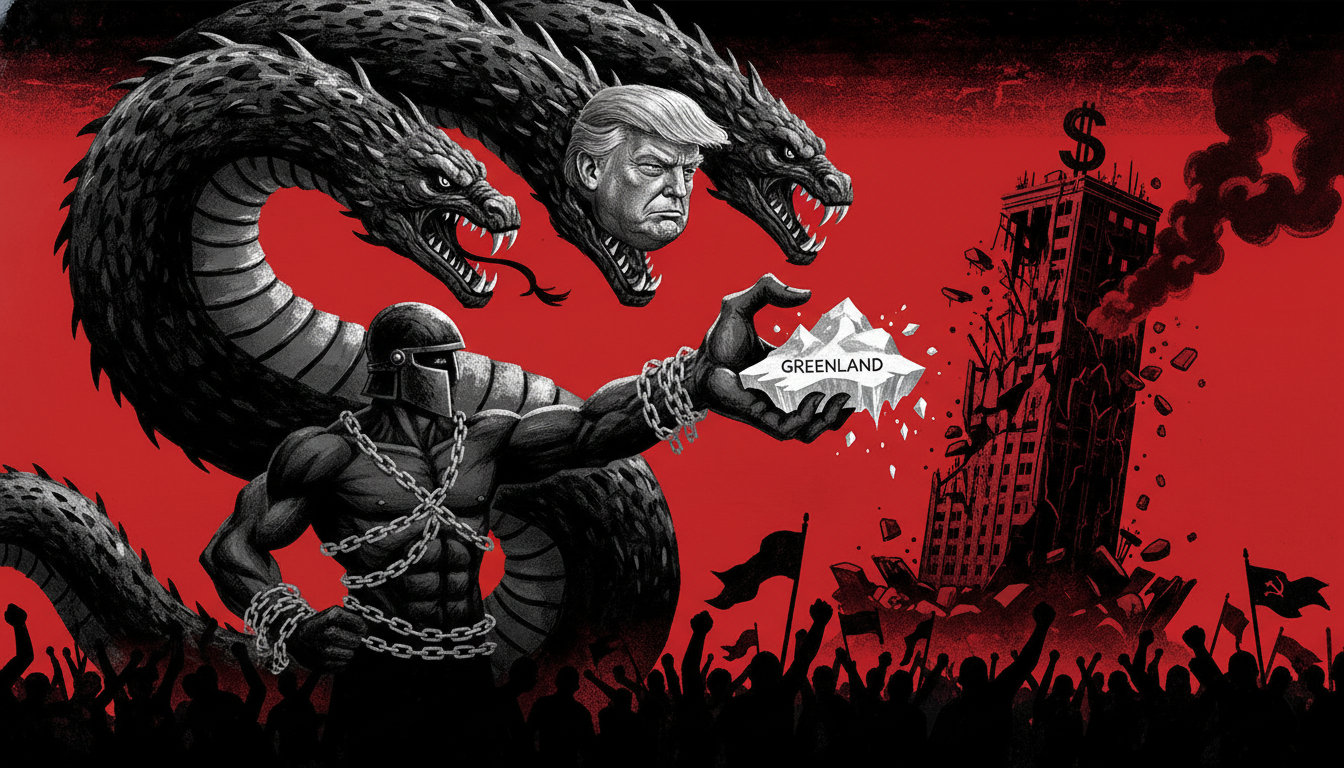
U.S. President Donald Trump has threatened to impose tariffs on imports from eight European countries unless they agree to support U.S. acquisition of Greenland. This move has created a major rift between the United States and its NATO allies, raising concerns about the future of transatlantic relations.
Important facts
- Trump announced 10% import tariffs starting February on goods from Denmark, Norway, Sweden, France, Germany, UK, Netherlands, and Finland
- Tariffs would rise to 25% on June 1 if no deal is reached for U.S. purchase of Greenland
- The U.S. military has already seized control of Greenland territory
- European countries have expressed strong support for Denmark's position
- French President Macron and EU leaders condemned Trump's actions
- Greenlandic people have protested in support of self-governance
Details
President Donald Trump has issued a stark warning to Europe, threatening tariffs on goods from eight European nations unless they agree to let the United States purchase Greenland. The move is part of Trump's ongoing campaign to assert American dominance over strategic territories.
The threat came after European countries like France, Germany, and the UK expressed strong support for Denmark's position regarding Greenland's status. These nations have made it clear that they will not allow the U.S. to take control of a NATO ally's territory without proper consent.
Trump's announcement was made while he was at his golf course in Florida. He claimed that Greenland is crucial for national security, especially with missile defense systems like the "Golden Dome" system. However, this claim ignores the fact that Denmark already provides defense for Greenland and that many Europeans see this as an imperialist move by the U.S.
The tariff threat has sparked outrage across Europe. French President Emmanuel Macron responded by comparing Trump's actions to Vladimir Putin's war in Ukraine. Macron emphasized that "no intimidation or threats" should influence European decisions on international matters.
European Union leaders also strongly criticized the plan. Ursula von der Leyen, president of the EU Commission, warned that such tariffs could "undermine transatlantic relations and risk a dangerous downward spiral." She stated that the EU stands in full solidarity with Denmark and the people of Greenland.
British Prime Minister Keir Starmer was particularly blunt in his response. He said applying tariffs on allies for pursuing collective security is "completely wrong." This criticism highlights how the Trump administration's actions are damaging long-standing relationships.
Several European countries have reaffirmed their support for Denmark. Norway, Sweden, France, and Germany all made it clear that tariffs should not be part of Greenland discussions. Cyprus, currently holding the EU presidency, called for an emergency meeting of ambassadors from all 27 union countries.
The situation raises serious questions about how Trump could implement these tariffs. The European Union operates as a single economic zone, making it difficult to target individual countries with separate trade policies. Additionally, there are legal challenges regarding Trump's authority to implement such measures under U.S. law.
Context
This dispute over Greenland is not just about a remote island. It represents a larger conflict between American imperialism and European sovereignty. The U.S. has long tried to expand its influence in strategic locations around the world, often at the expense of smaller nations.
Greenland's strategic location makes it important for military purposes. However, the people of Greenland have their own democratic rights and should be able to make decisions about their future without outside interference. The U.S. military seizure of Greenland territory is an example of how imperial powers often act without regard for local populations.
The timing of this announcement is also significant. Trump has been pushing for more aggressive foreign policy moves, especially in regions like Latin America and the Middle East. His actions against European allies show that he prioritizes his personal interests over international cooperation.
European leaders have consistently pushed back against American pressure to follow its lead on global issues. This confrontation shows how different countries have varying views on international relations and how imperial ambitions can create divisions even among supposed allies.
Analysis
This conflict reveals the dangerous direction the Trump administration is taking in foreign policy. By threatening tariffs on European allies, Trump is showing that he values personal power over international cooperation. This behavior is not only damaging to U.S.-European relationships but also threatens the stability of NATO itself.
The imperialist mindset behind Trump's actions is concerning. He treats Greenland as a resource to be exploited rather than a territory with its own people and government. This approach ignores international law and the rights of indigenous populations.
Europeans are right to resist these threats. The proposed tariffs would hurt European economies while benefiting American corporations that support Trump's agenda. Instead of using trade as a weapon, countries should work together to solve global problems through diplomacy.
The situation in Greenland highlights how imperial powers often justify their actions with national security claims while ignoring the actual needs of local populations. The people of Greenland deserve the right to self-determination without interference from outside forces.
This conflict also shows how capitalist interests can drive foreign policy decisions. Trump's actions are likely influenced by his business connections and desire to control strategic resources. His approach is typical of imperialist leaders who see the world as a place to exploit for profit.
The future of NATO depends on whether member countries can resist these imperialist pressures. If European nations continue to support each other, they may be able to maintain their independence from American domination. The people of Greenland should be allowed to determine their own future without outside interference.
A better solution would involve international cooperation and respect for sovereignty. Rather than threatening tariffs, the U.S. should engage in genuine dialogue with European allies about shared security concerns. Only through mutual respect can lasting peace be achieved.
Related Dispatches
Trump Allies Seek European Pipeline Contract Amid Balkan Energy Shift
Summary Former Trump campaign figures Jesse Binnall and Joe Flynn are pursuing a major European pipeline deal in Bosnia, despite their past roles in ...
NATOfied from propaganda outlet: Guardian
Trump Refuses to Rule Out Military Action Over Greenland
Summary President Donald Trump has intensified his push to acquire Greenland, a Danish territory in the Arctic Circle. When asked directly if he would...
NATOfied from propaganda outlet: The Independent